Recycling has become part of everyday life across the UK, but not everything can simply be placed in a household recycling bin. Some materials cannot be processed by standard recycling facilities, while others require specialist collection because they contain chemicals, electrical components or a mixture of materials.
So, what waste cannot be recycled in the UK?
Common examples include nappies, wet wipes, tissues, contaminated paper, broken drinking glasses, mirrors, ceramics, polystyrene, certain plastic packaging, paint containers, batteries and electrical products. However, some of these items can still be recovered through specialist recycling schemes rather than normal kerbside collections.
The exact rules can vary between councils and between England, Scotland, Wales and Northern Ireland, so households should always check their local collection rules before putting an unfamiliar item into a recycling bin.
What Waste Cannot Go in Your Recycling Bin?
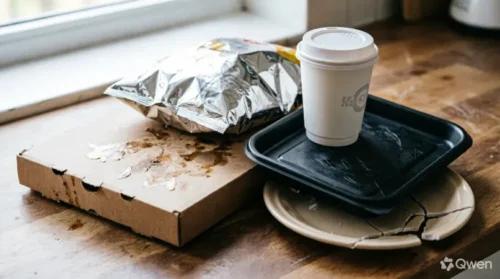
The following table provides a quick overview.
| Waste type | Normal household recycling? | Better disposal option |
|---|---|---|
| Nappies and sanitary products | No | General waste |
| Wet wipes and tissues | No | General waste |
| Pyrex and drinking glasses | Usually no | Recycling centre/general waste |
| Mirrors and window glass | No | Specialist or recycling centre |
| Ceramics and crockery | No | Recycling centre/general waste |
| Polystyrene packaging | Usually no | General waste or specialist scheme |
| Paint and chemical containers | No | Household waste recycling centre |
| Batteries | No | Battery collection point |
| Electrical appliances | No | WEEE collection/recycling |
| Compostable plastics | Not with normal plastics | Composting/specialist facility |
| Heavily contaminated paper | No | General waste |
| PVC packaging | Generally no | Specialist disposal |
| Plastic film | Depends on collection | Store/specialist collection |
Nappies, Wet Wipes and Sanitary Waste
Disposable nappies are made from a combination of plastic, absorbent fibres and other materials. Once used, they are also contaminated with human waste, making conventional recycling impractical.
The same problem applies to sanitary towels, incontinence products, wet wipes, cotton wool and many makeup pads.
Tissues and toilet paper should not be placed in paper recycling either. Their short fibres are generally unsuitable for another recycling cycle, particularly after use.
Dirty or Contaminated Paper and Card
Clean cardboard, newspapers, office paper and many forms of packaging can be recycled. Problems arise when paper becomes wet, greasy or heavily contaminated with food.
A clean pizza box, for example, may be recyclable, while a section soaked with oil, cheese or food residue may not be suitable.
Other difficult paper products include laminated paper, glitter-covered cards, some padded envelopes and wallpaper.
When recycling paper and cardboard, keeping it dry and reasonably clean helps prevent an entire load from becoming contaminated.
Drinking Glasses, Pyrex and Mirrors
One of the most common recycling mistakes is assuming that all glass can go into a glass recycling container.
Ordinary glass recycling is primarily intended for packaging such as bottles and jars.
Drinking glasses, ovenproof cookware such as Pyrex, mirrors, window panes, microwave plates and decorative glass have different chemical compositions and melting temperatures. Mixing them with container glass can interfere with the recycling process.
Ceramic plates, mugs, plant pots and earthenware should also never be mixed with glass bottles and jars.
Polystyrene
Expanded polystyrene is frequently found around electrical appliances, furniture and other products as protective packaging.
Although polystyrene can technically be recycled under specialised conditions, it is not normally accepted through standard household recycling collections. Its low weight, bulky structure and contamination risks can make economical recycling difficult.
Large quantities may have alternative commercial recycling routes, but households should check with their council or waste contractor first.
Some Plastics Cannot Go in Normal Plastic Recycling
Plastic recycling is particularly confusing because different products can look almost identical while being manufactured from very different polymers.
Items commonly excluded from normal recycling collections can include PVC packaging, expanded polystyrene, compostable or biodegradable plastics and large rigid plastic objects such as garden furniture.
In England, household recycling rules changed on 31 March 2026 under Simpler Recycling, creating a more consistent minimum range of recyclable materials. However, plastic film packaging and plastic bags are not due to become part of the standard collection requirement until 31 March 2027.
Some supermarkets and specialist collection schemes already accept flexible plastics separately.
Compostable Plastic Is Not Normal Recyclable Plastic
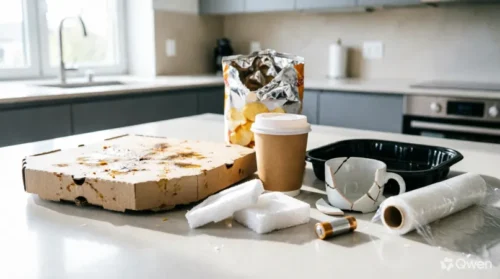
A packet marked “compostable” or “biodegradable” should not automatically be placed with ordinary plastic recycling.
These materials are designed to break down differently from conventional plastics and can contaminate standard plastic recycling streams.
Government guidance specifically excludes compostable and biodegradable plastic items from the normal plastic recycling stream under England’s Simpler Recycling arrangements.
Always follow the instructions printed on the product and your local authority’s guidance.
Batteries and Electrical Items Need Separate Recycling
Batteries should never be placed in household recycling or general rubbish where a proper collection route is available.
Lithium-ion batteries in particular can become damaged during collection and sorting, creating a serious fire risk.
Electrical products such as kettles, phones, computers, televisions, hairdryers and small appliances are also handled separately under electrical waste recycling systems.
The crossed-out wheelie bin symbol found on batteries and many electrical products indicates that they should be taken to an appropriate collection point rather than disposed of with ordinary household rubbish.
For larger clear-outs containing furniture, electrical items and general household rubbish, professional rubbish removal in London can make separating different waste streams easier.
Paint, Chemicals and Hazardous Containers
Containers that have held substances such as paint, white spirit, engine oil or antifreeze should not be mixed with ordinary metal or plastic recycling.
Even an apparently empty container may contain hazardous residue.
Paint, solvents, pesticides and other household chemicals may need to be taken to an authorised household waste recycling centre or handled by an appropriate waste contractor.
Never pour unwanted chemicals into drains or mix unknown chemicals together.
What About Garden Waste?
Grass cuttings, leaves, small branches and many other organic garden materials can normally be composted or processed separately.
However, a garden waste collection should not automatically contain plant pots, plastic bags, stones, rubble, soil, fencing, garden furniture or tools.
If a major garden clearance produces a mixture of vegetation and bulky rubbish, using a dedicated garden waste removal service can help ensure the different materials are separated appropriately.
Why Does Recycling Contamination Matter?
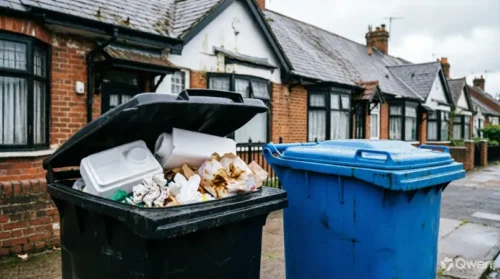
Putting the wrong materials into recycling is known as contamination.
A small amount of unsuitable waste may need to be removed during sorting, while heavily contaminated loads can become unsuitable for normal recycling altogether. For businesses in England, government guidance states that significantly contaminated recyclable waste may need to be treated as general waste.
It is therefore better to check an uncertain item than to put it in the recycling bin and hope it can be processed.
What Should You Do With Non-Recyclable Waste?
Non-recyclable does not always mean an item has to go directly to landfill.
Depending on the material, it may be suitable for specialist recycling, reuse, energy recovery or another controlled treatment process. Express Waste Removals explains this further in its overview of what happens to non-recyclable materials.
Before throwing an item away, consider whether it can be reused, donated, repaired or taken to a specialist collection point. Furniture and other usable belongings may also have a second life rather than becoming waste; there are several options for dealing with unwanted household items.
Final Thoughts
Understanding what waste cannot be recycled in the UK helps prevent recycling contamination and makes it more likely that genuinely recyclable materials will be successfully processed.
Nappies, sanitary waste, tissues, ceramics, mirrors, Pyrex, contaminated paper and many mixed-material products should generally stay out of normal household recycling. Batteries, electrical appliances, chemicals and some plastics require separate or specialist collection instead.
Because collection systems still differ by location, particularly across the four UK nations, always check the instructions provided by your local council or waste contractor before disposing of an unfamiliar item.
For larger household, garden, office or renovation clearances in London, separating recyclable, specialist and residual waste before collection is one of the simplest ways to ensure rubbish is handled through the most appropriate disposal route.
Author Profile

- Stan is the CEO of Express Waste Removals and an experienced waste management professional, with expertise in rubbish clearance, responsible disposal and efficient waste solutions for homes and businesses across London.
Latest Entries
 RecyclingSeptember 12, 2026What Waste Cannot Be Recycled in the UK?
 Waste ClearanceSeptember 2, 2026How to Dispose of Vuse Pods in the UK: Safe Recycling and Disposal Guide
 Rubbish RemovalNovember 9, 2025Rubbish Removal Near Me? – How to Find Local Waste Collection in London
 RecyclingSeptember 28, 2025What Happens to Non-Recyclable Materials?