Wondering how to dispose of butane cans after camping, cooking or using portable gas appliances? Unlike ordinary metal packaging, butane canisters contain flammable gas and may remain pressurised even when they appear empty.
Across London, incorrect disposal can create serious fire risks for waste collection workers and recycling facilities. Whether you have a small lighter refill can or a larger camping gas cartridge, understanding the correct disposal process is essential.
How Should You Dispose of Butane Cans Properly?
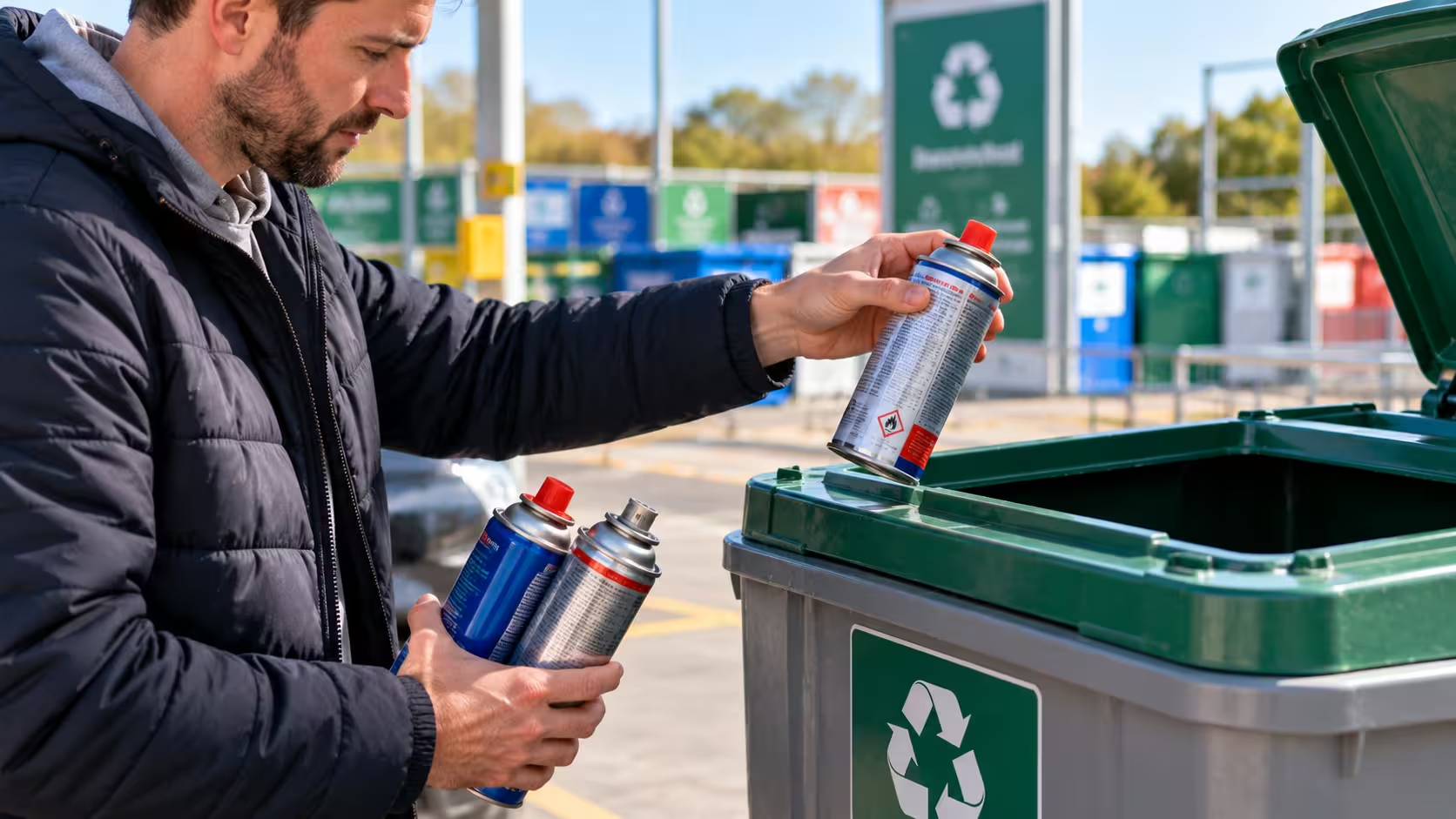
The safest method depends on the type of canister, whether it contains gas and your local council’s recycling arrangements.
Follow these practical steps:
1. Identify the canister: Check whether it is a disposable camping cartridge, butane refill aerosol or reusable gas cylinder.
2. Check for remaining gas: Read the label and never attempt to puncture, crush or dismantle the container.
3. Contact the supplier: Some retailers and gas suppliers operate return or exchange schemes for reusable cylinders.
4. Find an approved recycling centre: Contact your London borough to confirm which facilities accept butane canisters.
5. Transport carefully: Keep containers secure, away from heat and direct sunlight, and follow the recycling centre’s instructions.
Disposal arrangements vary across London. The North London Waste Authority accepts certain gas canisters at designated recycling centres, including full or partially full containers. However, some South London facilities restrict gas bottle acceptance.
For similar pressurised products, understanding how to dispose of aerosol cans that are not empty can help distinguish ordinary household aerosols from fuel containers.
Can Butane Cans Go in Household Rubbish or Recycling Bins?
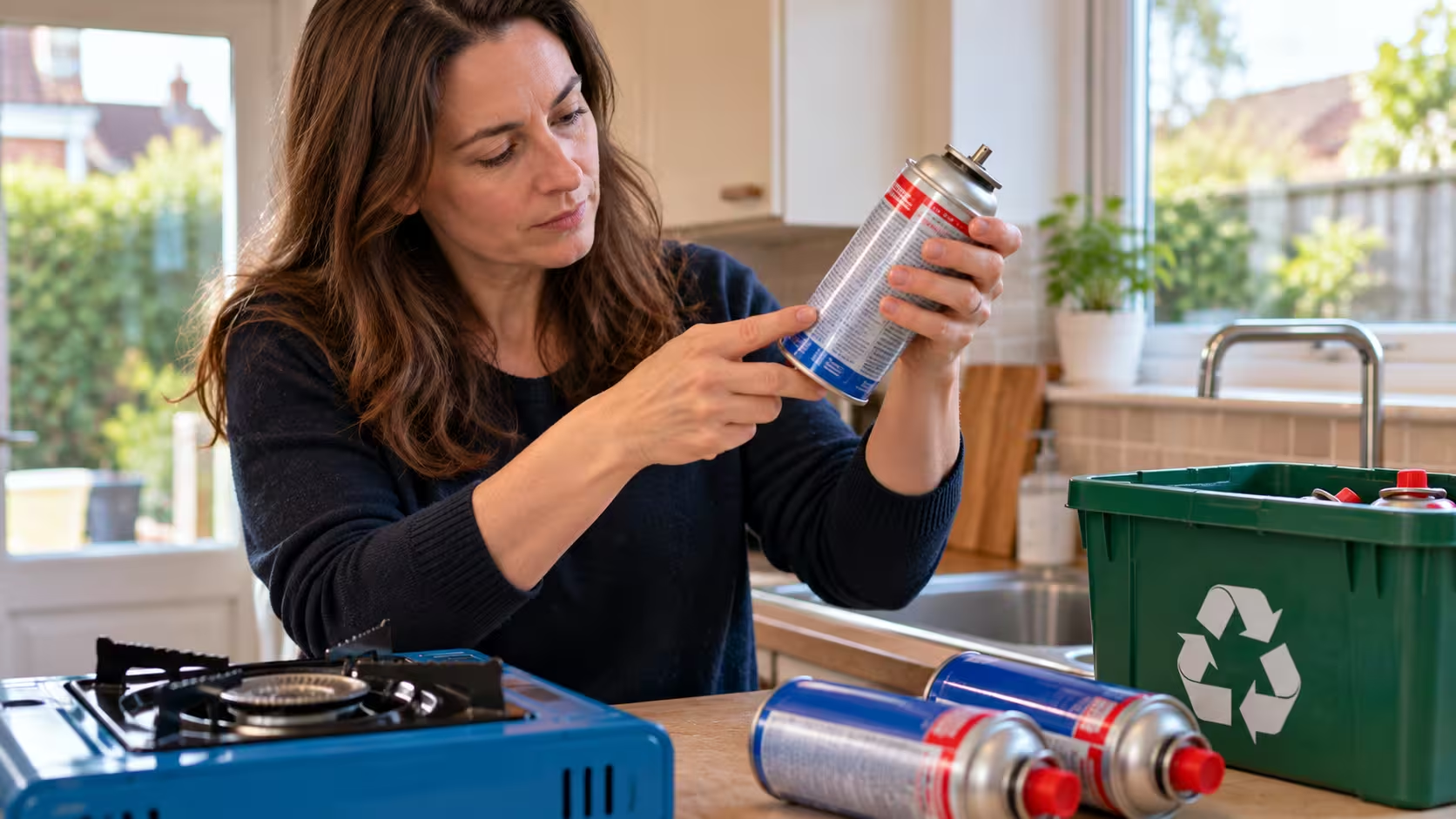
Butane fuel canisters should not be placed in ordinary household rubbish or kerbside recycling bins. Even apparently empty containers may retain flammable gas.
When compressed inside a waste collection vehicle, these containers can rupture and potentially cause fires or explosions.
To avoid dangerous disposal practices:
- Never puncture, flatten or crush butane canisters.
- Never burn them or place them near naked flames.
- Avoid releasing leftover gas deliberately to empty the container.
- Keep unused canisters in a cool, ventilated location away from ignition sources.
- Use an authorised disposal facility that accepts the specific container.
Although many butane cans are manufactured from recyclable metals, they require appropriate handling before the material can be recovered.
Our explanation of how to dispose of hazardous waste provides additional information about managing potentially dangerous materials.
For London homeowners, landlords and businesses, the most responsible approach is to check local council requirements or arrange collection through a specialist contractor authorised to handle pressurised gas containers.
Correct butane can disposal protects waste workers, reduces fire hazards and supports safer recycling across London.
Author Profile

- Stan is the CEO of Express Waste Removals and an experienced waste management professional, with expertise in rubbish clearance, responsible disposal and efficient waste solutions for homes and businesses across London.
Latest Entries
 Waste ManagementOctober 20, 2026How to Dispose of Butane Cans Safely in London?
 RecyclingOctober 8, 2026What Will Happen If We Don’t Recycle? The Real Impact on London
 Waste ManagementOctober 3, 2026How to Dispose of Aerosol Cans That Are Not Empty in UK?
 Waste ClearanceSeptember 26, 2026How to Dispose of Wallpaper Paste Safely in the UK?