Imagine London without recycling. Every plastic bottle, cardboard box, aluminium can and unwanted appliance would become another piece of rubbish needing disposal. With millions of residents producing waste daily, the environmental consequences would quickly become serious.
According to London’s official environmental data, only 32.6% of household waste was recycled in 2024/25. This highlights why improving recycling habits remains essential.
As London waste removal specialists, we understand that recycling is not simply about separating rubbish. It protects resources, reduces pollution and helps create a cleaner city.
What Will Happen If We Stop Recycling?
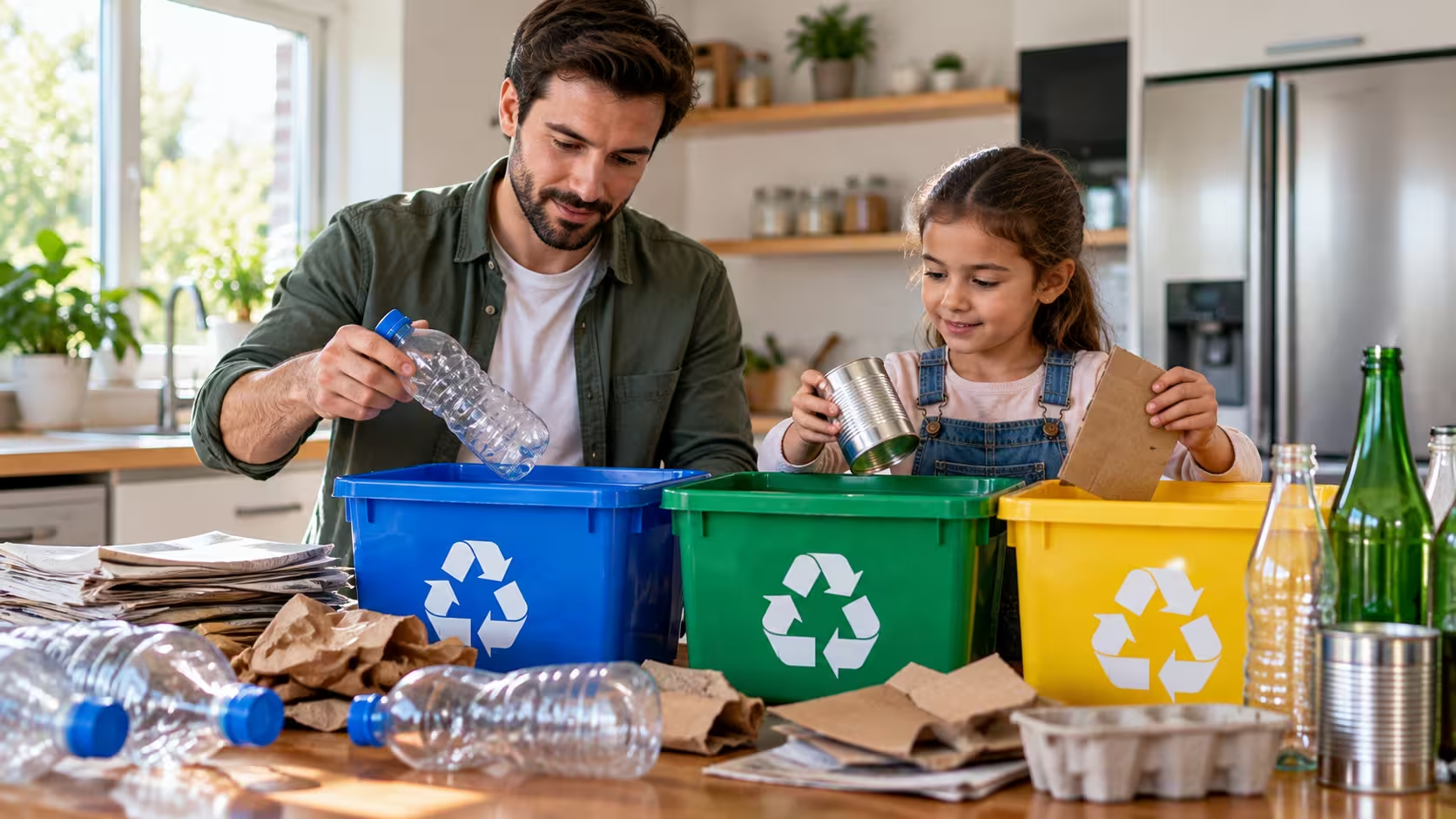
1. More Waste Will End Up in Incinerators and Landfills
Without recycling, more reusable materials would enter general waste collections.
London already relies heavily on energy-from-waste incineration, while relatively little council-collected waste goes directly to landfill.
Although incineration can generate electricity, burning recyclable materials still produces emissions and wastes resources that could have been recovered.
Understanding what happens to non-recyclable materials demonstrates why proper waste separation matters.
2. Pollution and Carbon Emissions Will Increase
Recycling helps reduce the need to manufacture products entirely from raw materials.
Without it:
- More greenhouse gases could be released through production and disposal.
- Additional plastic waste could pollute rivers and natural environments.
- Manufacturing would require greater energy consumption.
- Improperly discarded rubbish could harm wildlife.
For a busy city like London, these consequences make responsible waste management particularly important.
3. Natural Resources Will Disappear Faster
Every discarded aluminium can, glass bottle or sheet of paper represents materials originally extracted from nature.
Without recycling, businesses would depend more heavily on newly mined metals, timber and other raw materials.
Recycling aluminium, for example, can save around 95% of the energy required to produce it from primary materials.
That makes recycling an important part of protecting natural resources for future generations.
4. Waste Management Could Become More Expensive
When recyclable materials enter general waste, councils and waste operators must manage larger volumes of residual rubbish.
This can increase treatment costs, while businesses lose opportunities to recover valuable materials.
For London households, landlords and commercial properties, separating waste correctly can also make collections more efficient.
What Can Londoners Do to Prevent These Problems?
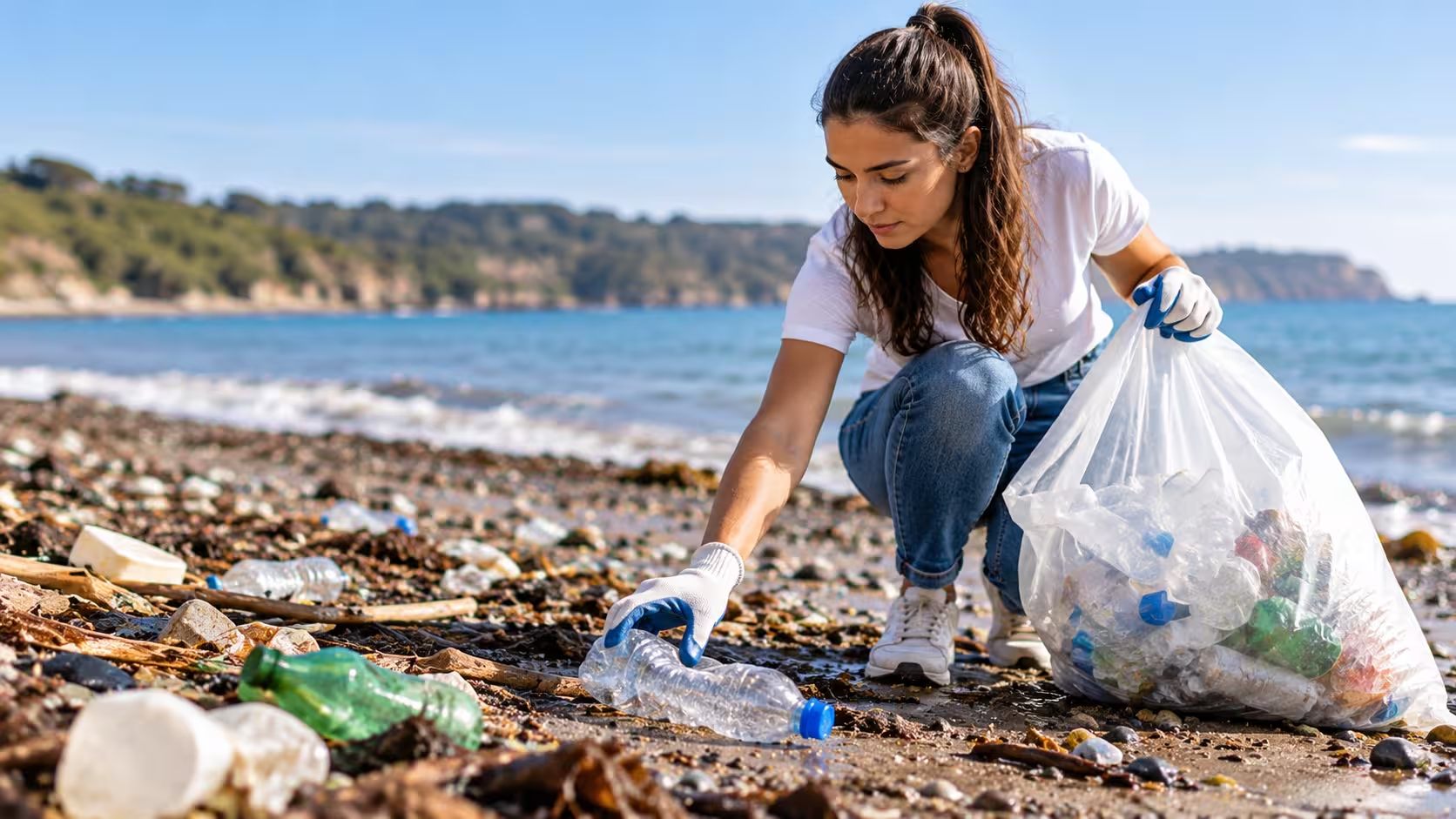
The solution begins with everyday decisions.
- Separate materials: Keep recyclable paper, cardboard, metals, plastics and glass in the correct containers.
- Avoid contamination: Check which waste cannot be recycled before using household recycling bins.
- Reuse belongings: Donate functional furniture, appliances and household items.
- Recycle garden waste: Compost suitable organic materials or arrange responsible garden waste removal in London.
- Choose responsible collectors: Use registered waste carriers for bulky rubbish and property clearances.
Remember that recycling arrangements can differ between London boroughs, so always follow your local council’s instructions.
How Can Responsible Waste Removal Help London’s Future?
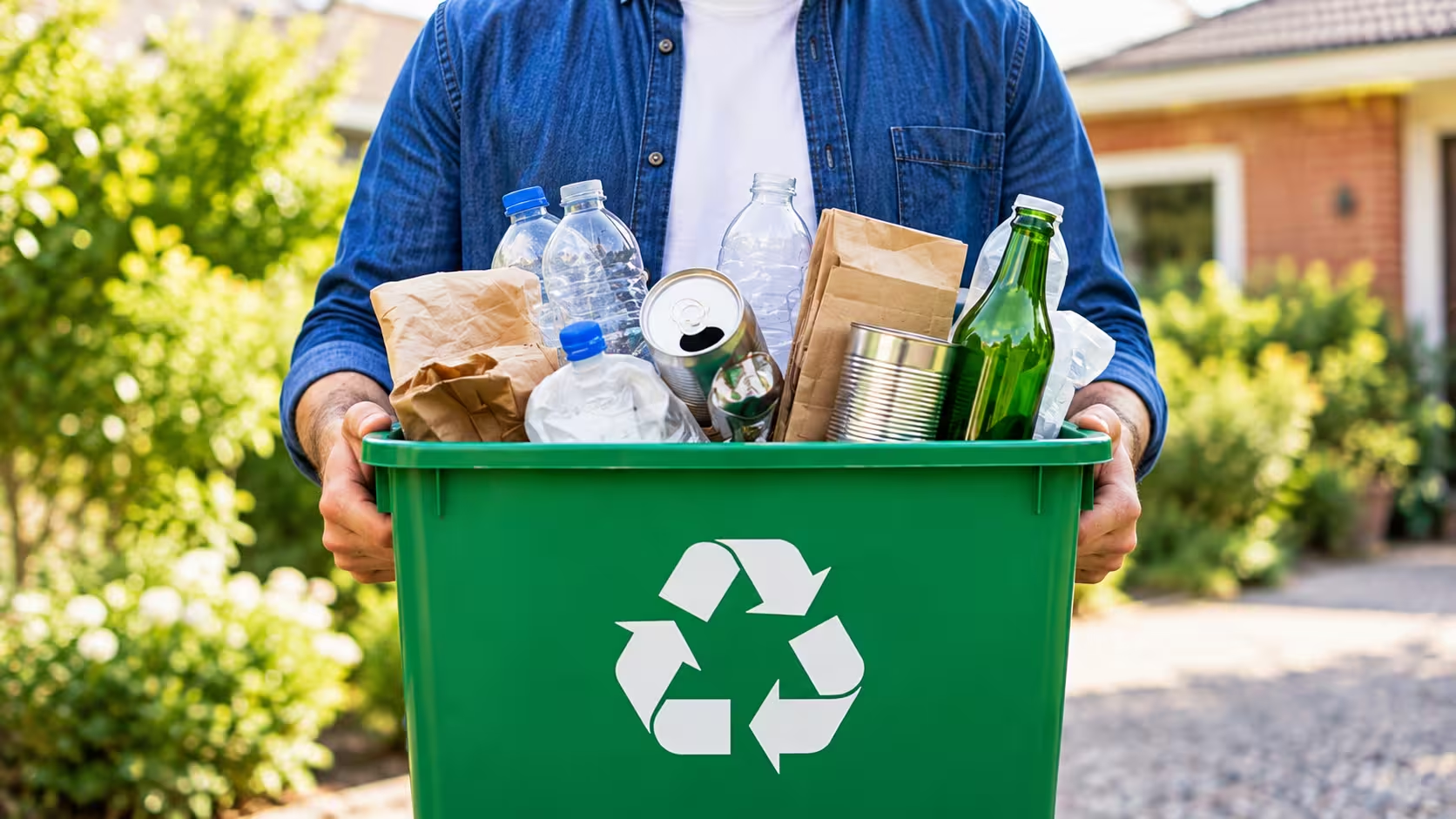
Stopping recycling would increase environmental pressure, waste valuable resources and make London’s rubbish problem harder to manage.
At Express Waste Removals, we believe waste should be treated as a potential resource rather than automatically discarded.
Our rubbish removal services in London prioritise responsible collection, material recovery and appropriate disposal wherever possible.
A cleaner London starts with what we choose to recycle today.
Author Profile

- Stan is the CEO of Express Waste Removals and an experienced waste management professional, with expertise in rubbish clearance, responsible disposal and efficient waste solutions for homes and businesses across London.
Latest Entries
 RecyclingOctober 8, 2026What Will Happen If We Don’t Recycle? The Real Impact on London
 Waste ManagementOctober 3, 2026How to Dispose of Aerosol Cans That Are Not Empty in UK?
 Waste ClearanceSeptember 26, 2026How to Dispose of Wallpaper Paste Safely in the UK?
 House ClearanceSeptember 19, 2026How to Reduce Waste at Home: 15 Practical Tips