Hearing aid batteries may be small, but disposing of them incorrectly can create environmental and safety risks. Most traditional hearing aids use zinc-air button batteries, while newer rechargeable models may contain lithium-ion batteries.
In London, used hearing aid batteries should never be placed in general rubbish or household recycling bins. They require separate collection to prevent pollution and support the recovery of valuable materials.
Understanding what waste cannot be recycled through normal household collections helps residents make safer disposal decisions.
Where Can You Dispose of Hearing Aid Batteries in London?

London residents have several convenient options for recycling hearing aid batteries without paying additional disposal charges.
1. Supermarkets and Retail Shops
Large supermarkets, electrical retailers and shops selling significant quantities of portable batteries provide dedicated battery recycling points.
Under UK regulations, retailers selling at least 32kg of portable batteries annually must offer free battery take-back facilities. These collection points accept hearing aid button batteries.
2. Local Council Recycling Centres
London borough recycling centres generally accept small household batteries. Check your council’s website before visiting, as collection arrangements vary.
Incorrect disposal can create recycling contamination and increase fire risks at waste processing facilities.
3. Audiology Clinics and Hearing Aid Providers
Some NHS audiology departments, hearing aid suppliers and specialist clinics offer battery recycling facilities. Contact your provider to confirm availability.
Choosing dedicated recycling services supports responsible recycling in London while reducing unnecessary waste.
How Should You Handle Hearing Aid Batteries Before Recycling?
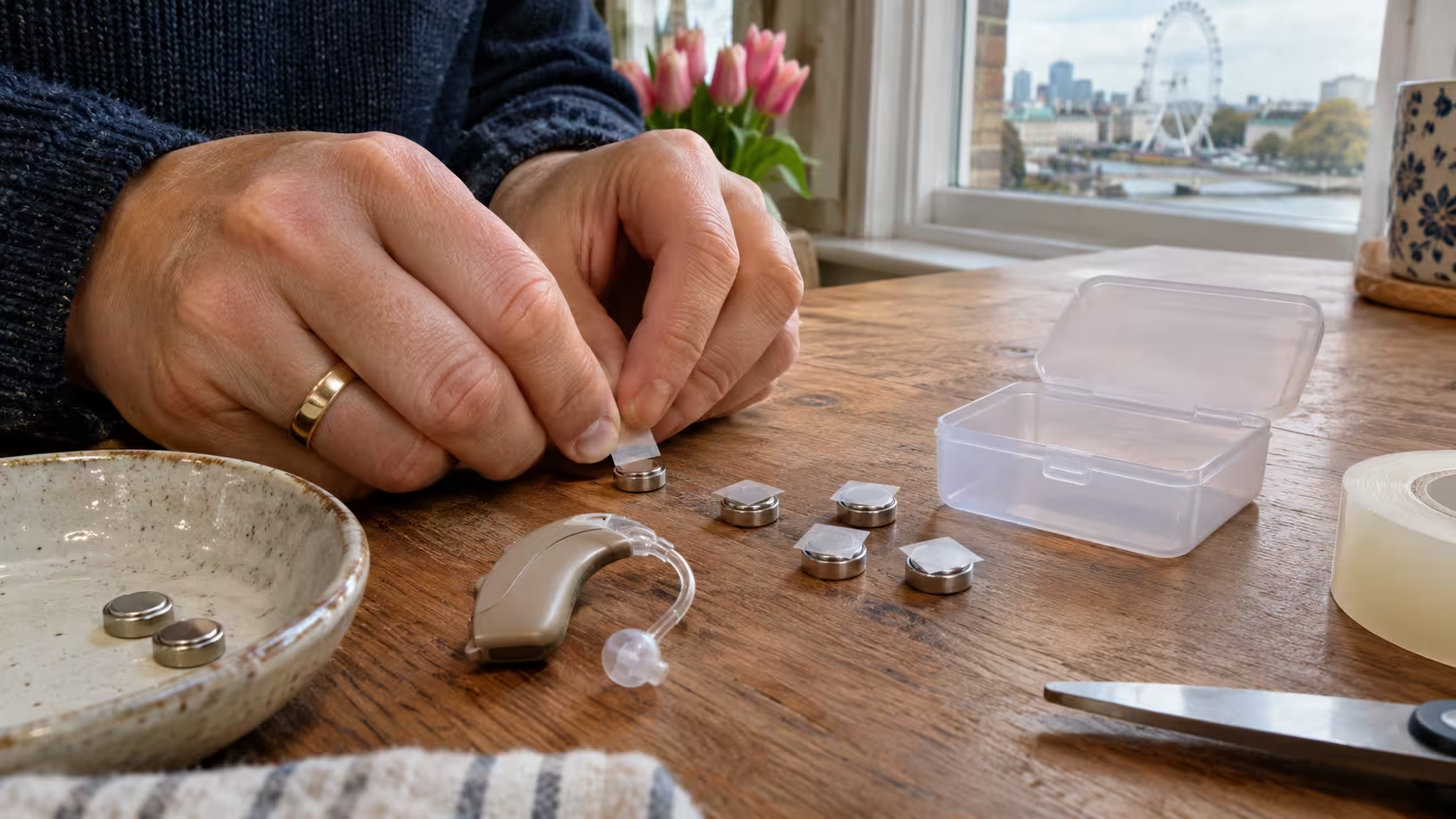
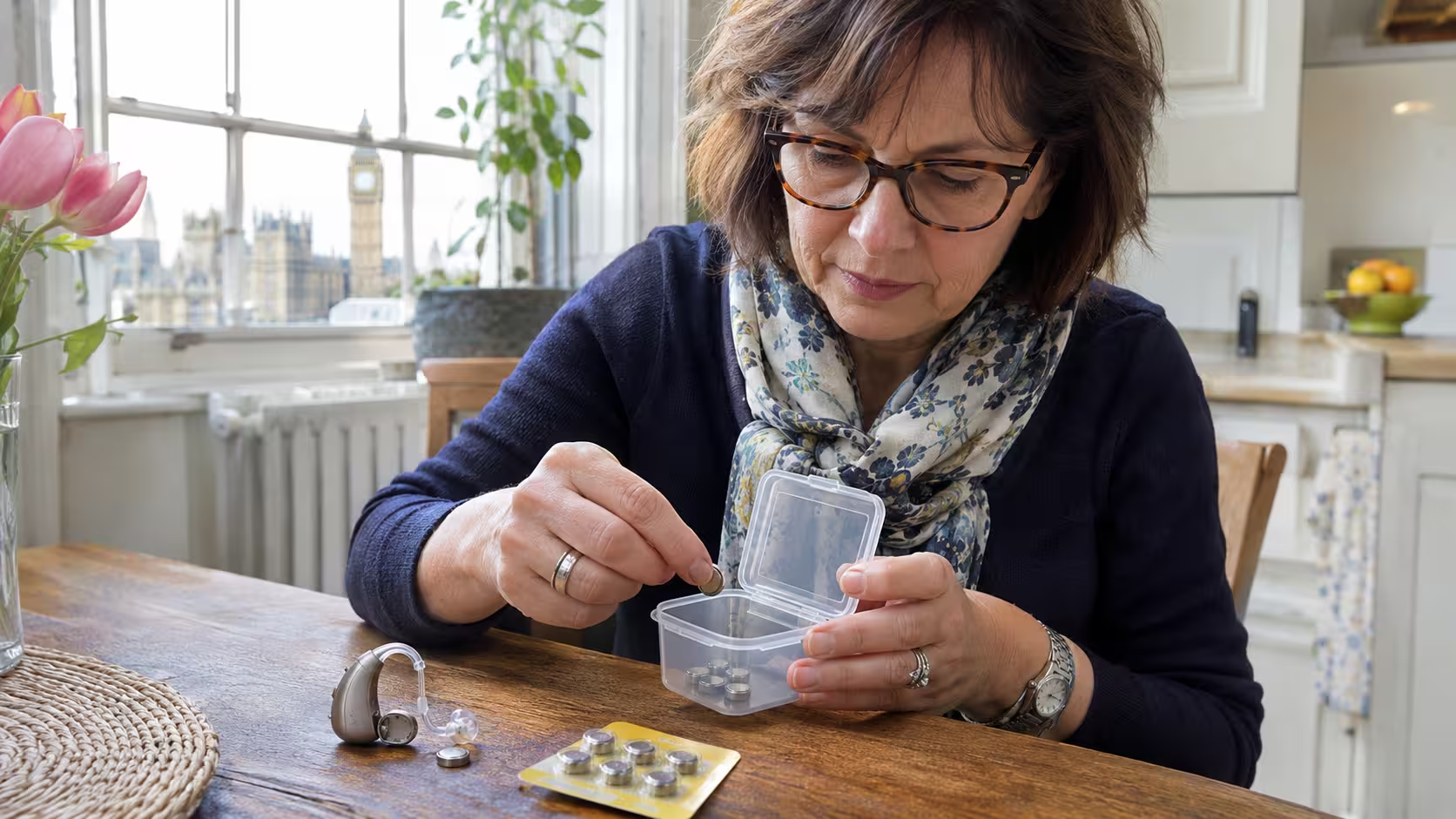
Safe handling is essential, especially when storing several used batteries at home.
- Remove batteries carefully: Take out depleted removable batteries without damaging the hearing aid.
- Store them securely: Keep batteries in a dry, non-metal container, away from children and pets.
- Protect battery terminals: Cover exposed lithium battery contacts with non-conductive tape to prevent short circuits.
- Never crush batteries: Avoid puncturing, burning or dismantling used batteries.
- Recycle regularly: Take accumulated batteries to an authorised collection point rather than keeping them indefinitely.
These simple practices complement wider efforts to reduce household waste and improve recycling safety.
What About Rechargeable Hearing Aids?
Rechargeable hearing aids often contain built-in batteries that users cannot safely remove.
If the battery is permanently installed, recycle the complete hearing aid as electrical waste rather than attempting to dismantle it.
Our information on electronic waste management explains why electrical devices need specialist recycling arrangements.
Working hearing aids may also be suitable for donation through approved organisations. When clearing unwanted household items, consider reuse before recycling.
Similar principles apply when disposing of old mobile phones and other battery-powered equipment.
For businesses, care homes and audiology practices, battery waste should be separated from ordinary commercial rubbish. During an office clearance, arrange a suitable specialist battery collection rather than mixing used cells with general waste.
At Express Waste Removals, we encourage London residents and businesses to adopt responsible waste management practices. Although general clearance services are available, used hearing aid batteries should be directed to appropriate battery recycling facilities.
The simplest solution is to collect used hearing aid batteries safely and drop them off at a participating supermarket, retailer or local recycling centre.
Author Profile

- Stan is the CEO of Express Waste Removals and an experienced waste management professional, with expertise in rubbish clearance, responsible disposal and efficient waste solutions for homes and businesses across London.
Latest Entries
 Waste ClearanceNovember 2, 2026How to Dispose of Hearing Aid Batteries Safely in London?
 Waste ManagementOctober 26, 2026How to Dispose of Camping Gas Canisters in the UK Safely?
 Waste ClearanceOctober 22, 2026How to Dispose of Used Fireworks Safely in London After Bonfire Night?
 Waste ManagementOctober 20, 2026How to Dispose of Butane Cans Safely in London?