How to Reduce Waste at Home: 15 Practical Tips

Reducing waste at home starts with a few simple changes: buy only what you need, avoid unnecessary packaging, reuse items before replacing them, plan meals carefully, recycle correctly and find responsible ways to dispose of anything that cannot be reused.

You do not need to transform your household overnight. Small habits repeated every day can significantly reduce the amount of rubbish filling your bins while also helping you save money and keep your home less cluttered.

From unwanted food and plastic packaging to old furniture and electrical appliances, almost every household produces materials that could potentially be avoided, reused or recycled.

Best 15 Practical Tips to Reduce Waste at Home
15 Practical Tips to Reduce Waste at Home

Here are 15 practical tips on how to reduce waste at home.

Quick Ways to Reduce Household Waste

Action What It Can Help Reduce
Plan meals before shopping Food waste
Use reusable shopping bags Single-use plastic
Repair damaged items Furniture and electrical waste
Donate unwanted belongings General household waste
Compost suitable food scraps Organic waste
Buy products with less packaging Plastic and cardboard
Recycle correctly Residual household rubbish
Use rechargeable batteries Disposable battery waste
Buy second-hand items Demand for new products
Go paperless where possible Paper waste

The most effective approach is usually to follow this order:

Reduce first, reuse second and recycle what remains.

Recycling is important, but preventing unnecessary waste from being created in the first place can be even more effective.

1. Start With a Household Waste Audit

Before changing your habits, spend a week looking at what your household actually throws away.

You may discover that most of your rubbish comes from:

  • Food packaging
  • Uneaten food
  • Plastic bottles
  • Online shopping packaging
  • Disposable cleaning products
  • Takeaway containers
  • Paper
  • Toiletries
  • Old clothes

Once you know what fills your bins most frequently, it becomes much easier to identify where changes will have the greatest effect.

For example, if food packaging takes up most of your recycling bin, you could start choosing products with less packaging or buying larger packs of items you regularly use.

If food is regularly being thrown away, meal planning may make a bigger difference.

2. Plan Your Meals Before Shopping

Food can easily become household waste when people buy more than they can eat.

Before visiting the supermarket, check your cupboards, fridge and freezer. Then create a simple meal plan for the next few days.

Make a shopping list based on that plan and try to avoid buying additional products simply because they are discounted.

A “buy one, get one free” deal does not save money if the second item eventually ends up in the bin.

Planning meals also makes it easier to use ingredients across several dishes. Vegetables purchased for one dinner, for example, could be used in soup, pasta or another meal later in the week.

3. Store Food Properly

Reducing food waste is not only about buying less. Correct storage can help food last longer.

Simple habits include:

  • Keeping your fridge organised
  • Moving older products towards the front
  • Freezing food before it spoils
  • Using airtight containers
  • Checking storage instructions
  • Keeping fruit and vegetables appropriately stored
  • Labelling frozen leftovers with dates

Creating a small “eat first” section in your fridge can also help. Put food that needs to be used soon in one visible area so it does not disappear behind newer groceries.

4. Make Better Use of Leftovers

Today’s leftovers can often become tomorrow’s lunch.

Cooked vegetables could be added to soups or omelettes. Roast chicken could become sandwiches or another meal. Slightly overripe fruit could be used in smoothies or baking.

Portioning meals before serving can also prevent unnecessary food from being left on plates.

When you deliberately plan how leftovers will be used, food is less likely to sit forgotten in the fridge until it has to be thrown away.

5. Compost Suitable Food and Garden Waste

Some organic waste can be composted instead of being placed in your general rubbish bin.

Depending on your composting setup, materials may include:

  • Fruit and vegetable peelings
  • Coffee grounds
  • Tea leaves
  • Eggshells
  • Grass cuttings
  • Leaves
  • Small plant trimmings
  • Some cardboard and paper

Compost can eventually provide useful organic material for gardens and plants.

Not everything from the kitchen or garden belongs in a home compost bin, however, so check what is suitable for your particular composting system.

For larger outdoor projects, pruning or landscaping work can generate much more vegetation than a normal compost bin can accommodate. Express Waste Removals provides garden waste removal in London for larger quantities of unwanted garden material.

6. Replace Disposable Products With Reusable Alternatives

Many everyday products are used once and immediately thrown away.

Where practical, consider reusable alternatives such as:

  • Refillable water bottles
  • Reusable coffee cups
  • Shopping bags
  • Lunch boxes
  • Food containers
  • Reusable cleaning cloths
  • Rechargeable batteries
  • Refillable soap containers

You do not necessarily need to throw away disposable products you already own just to replace them with reusable versions.

Use what you already have first. Replace items gradually when they reach the end of their useful life.

That approach avoids creating additional waste in the process of trying to become more sustainable.

7. Buy Products With Less Packaging

Packaging is one of the most visible types of household waste.

When choosing between similar products, consider how much packaging comes with each one.

Look for:

  • Loose fruit and vegetables
  • Concentrated products
  • Refill packs
  • Larger containers for products you use regularly
  • Packaging that can be recycled locally
  • Products without unnecessary individual wrapping

Online shopping can also produce large quantities of boxes, envelopes and protective packaging.

Reuse suitable cardboard boxes for storage, moving house or future deliveries before recycling them.

8. Repair Before You Replace

A broken item does not always need to become rubbish.

Furniture, clothing, bicycles and some household appliances may be repairable.

Before buying a replacement, consider:

Can it be repaired?

A loose chair leg may require only a simple fix. Clothes can sometimes be altered or repaired. Furniture can be repainted or refurbished.

Repairing something may cost considerably less than buying a replacement while also extending the useful life of the item.

9. Sell or Donate Items You No Longer Need

One person’s unwanted item can still be useful to someone else.

Before disposing of something, ask whether it could be:

  • Sold
  • Donated
  • Given to a friend
  • Offered to a family member
  • Listed on a local reuse platform
  • Taken to a charity shop

Furniture, clothing, books, children’s items, kitchenware and working electrical goods may still have useful life remaining.

This is particularly useful when decluttering because it prevents usable possessions from automatically becoming waste.

For much larger decluttering projects, a professional house clearance service can help remove unwanted items that cannot practically remain in the property.

10. Learn What Can Actually Be Recycled

Putting everything that looks recyclable into the recycling bin can cause problems.

Different materials require different treatment, and local collection arrangements can vary.

Typical recyclable materials may include certain:

  • Paper
  • Cardboard
  • Glass containers
  • Metal cans
  • Plastic containers
  • Food packaging

However, an item being made from plastic, metal or glass does not automatically mean it belongs in your household recycling collection.

Food contamination, mixed materials and the type of product can all make a difference.

Checking what waste cannot be recycled can help prevent unsuitable materials from being mixed with recyclable waste.

You should also check your local council’s collection guidance because accepted items and collection arrangements can differ between areas.

11. Keep Batteries and Electrical Items Separate

Old electrical devices and batteries should not simply be mixed with ordinary household rubbish.

This can include items such as:

  • Mobile phones
  • Chargers
  • Small appliances
  • Toys containing electrical components
  • Computers
  • Tablets
  • Rechargeable batteries
  • Household batteries

Many electrical products contain materials that can be recovered through specialist recycling processes.

Batteries also require appropriate handling, particularly lithium-ion batteries used in many rechargeable products.

Where possible, use appropriate electrical recycling points, retailer take-back services or authorised waste facilities.

Before recycling a working electrical product, consider whether somebody else could still use it. Selling, donating or passing it on can extend its life further.

12. Reduce Paper Waste

Although much household paper can be recycled, reducing unnecessary paper use is even better.

Consider switching to:

  • Online bank statements
  • Digital bills
  • Electronic receipts
  • Digital tickets
  • Online magazines
  • Electronic manuals

You can also avoid printing documents unless a physical copy is genuinely required.

When paper does enter your home, reuse suitable sheets for notes, shopping lists or children’s activities before recycling them.

13. Avoid Buying Things “Just in Case”

Clutter often begins with purchases rather than disposal.

Before buying something new, ask:

Do I genuinely need it?

For occasional-use items, borrowing or renting may make more sense.

Examples might include:

  • Power tools
  • Carpet cleaners
  • Gardening equipment
  • Party equipment
  • DIY tools

If an item will only be used once or twice a year, sharing or hiring it can save storage space, money and resources.

The same principle applies to clothing, kitchen gadgets and decorative household items.

Waiting 24 or 48 hours before making a non-essential purchase can also help reduce impulse buying.

14. Use What You Already Have

Sustainable living does not mean replacing everything in your house with products labelled “eco-friendly”.

In many cases, the lowest-waste choice is simply continuing to use something you already own.

An ordinary plastic storage container used for ten more years may be preferable to throwing it away immediately simply to purchase a new alternative.

The same applies to:

  • Furniture
  • Kitchenware
  • Storage boxes
  • Clothing
  • Tools
  • Electronics
  • Reusable bags

Try to get as much useful life as possible from existing possessions.

15. Declutter Responsibly

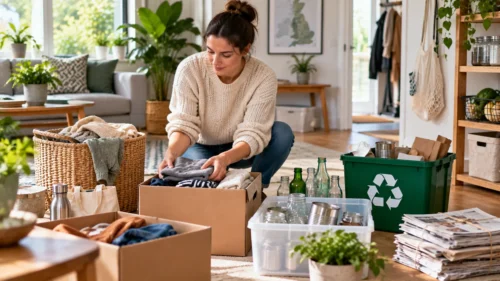
Decluttering can improve your living space, but clearing everything straight into rubbish bags simply moves the problem somewhere else.

Separate unwanted items into categories:

Keep

Items you still use regularly.

Sell

Items with reasonable resale value.

Donate

Usable items that could benefit somebody else.

Recycle

Materials accepted through appropriate recycling services.

Dispose

Items that cannot reasonably be reused or recycled.

For bigger clear-outs, renovations, moves or accumulated household rubbish, professional man and van rubbish removal can provide a practical alternative when the quantity is too large for normal household collections.

How Can Families Reduce Waste at Home?
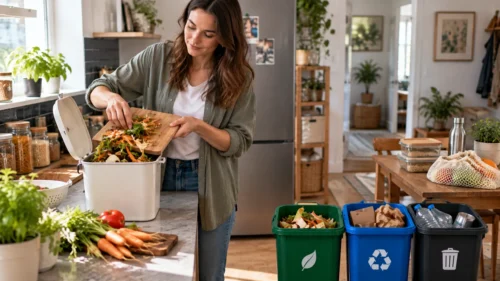
How Can Families Reduce Waste at Home

Getting the whole household involved usually produces better results than relying on one person.

Make waste reduction simple rather than complicated.

For example, you could have clearly identified containers for:

  • General waste
  • Dry recycling
  • Food waste
  • Batteries
  • Items for donation

Children can also be encouraged to reuse paper, look after toys, use refillable drinks bottles and understand why items should be placed in the correct bin.

Consistency matters more than perfection.

If every person in the house makes a few small changes, the combined reduction in waste can become significant over time.

How Can You Reduce Plastic Waste at Home?

Plastic waste can be reduced by changing a few purchasing habits.

Try:

  • Carrying reusable shopping bags
  • Using a refillable drinks bottle
  • Avoiding unnecessary single-use products
  • Choosing loose produce when practical
  • Buying refill products
  • Reusing suitable containers
  • Selecting products with minimal packaging
  • Recycling accepted plastics correctly

It is also worth remembering that throwing away perfectly usable plastic products simply to replace them with another material creates waste.

Keep using durable items you already own for as long as they remain practical and safe.

How Can You Reduce Food Waste at Home?

Start by buying smaller quantities and checking what food you already have before shopping.

You can then:

  • Plan meals
  • Freeze excess food
  • Use leftovers
  • Understand food labels
  • Rotate older products towards the front
  • Store food properly
  • Use ingredients across several meals
  • Compost appropriate scraps

Keeping track of which foods your household regularly throws away can reveal where the biggest savings can be made.

Why Is Reducing Household Waste Important?

Reducing household waste has benefits beyond simply having fewer rubbish bags.

It can help households:

  • Spend less on unnecessary purchases
  • Waste less food
  • Keep homes organised
  • Extend the life of existing products
  • Increase reuse
  • Improve recycling habits
  • Reduce unnecessary disposal

It can also make major decluttering projects easier because fewer unwanted belongings accumulate over time.

The aim should not be to produce absolutely no waste. For most households, that would be unrealistic.

A better objective is to gradually reduce unnecessary waste and deal responsibly with whatever remains.

When Should You Use a Professional Waste Removal Company?
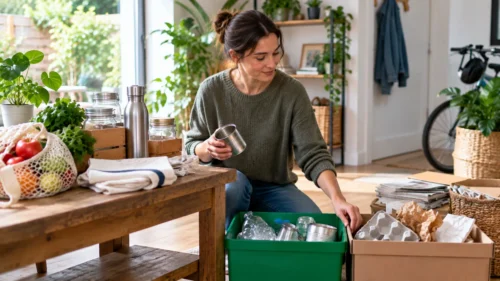
When Should You Use a Professional Waste Removal Company

Normal council collections are suitable for everyday household rubbish, but some situations produce far more waste than your normal bins can handle.

Professional rubbish clearance can be useful when:

  • Moving house
  • Clearing a property
  • Renovating
  • Replacing furniture
  • Clearing a garage or loft
  • Tidying a large garden
  • Removing bulky household items
  • Dealing with accumulated clutter

Always use an appropriately registered waste carrier and make sure you understand what will happen to the waste after collection.

Express Waste Removals provides household and rubbish clearance services across London, helping customers remove unwanted items while prioritising responsible handling, recycling and disposal wherever appropriate.

Final Thoughts

Learning how to reduce waste at home does not require a dramatic lifestyle change.

Start with the easiest improvements: plan meals, stop buying unnecessary products, reuse what you already own, repair items where practical and recycle correctly.

Then look at the rubbish your household produces most frequently and tackle one waste stream at a time.

The key principle is simple:

Buy less, use things for longer, reuse whenever possible, recycle correctly and dispose of the remainder responsibly.

Small changes may not seem important individually, but when they become everyday habits they can reduce clutter, save money and substantially reduce the amount of rubbish your household produces.

FAQs

What is the easiest way to reduce waste at home?

Start by avoiding unnecessary purchases and reducing food waste. Plan meals, make shopping lists, use leftovers and continue using items you already own rather than replacing them unnecessarily.

What are the three main ways to reduce waste?

The three commonly used principles are reduce, reuse and recycle. Reducing waste should usually come first, followed by reusing products and then recycling materials that have reached the end of their useful life.

How can I reduce kitchen waste?

Plan meals, buy appropriate quantities, store food correctly, freeze surplus ingredients, use leftovers and compost suitable food scraps where possible.

How can I reduce plastic waste?

Choose products with less packaging, use reusable bags and bottles, buy refills where practical and recycle accepted plastics according to your local collection rules.

What should I do with unwanted furniture?

If furniture is still usable, consider selling, donating or giving it away. Damaged furniture that cannot be reused may need to be taken to an appropriate recycling facility or collected by a registered waste removal company.

Should electrical items go in the household bin?

Electrical items and batteries should generally be kept separate from ordinary household rubbish and taken through an appropriate electrical or battery recycling route.

Is recycling enough to reduce household waste?

Recycling helps, but waste prevention and reuse should come first. Buying fewer unnecessary products, repairing possessions and avoiding food waste can prevent rubbish from being created in the first place.

How can I reduce waste when moving house?

Begin decluttering early. Separate belongings into items to keep, sell, donate, recycle and dispose of. Avoid automatically throwing everything away, particularly furniture, clothing and working electrical products that could still be reused.


What Waste Cannot Be Recycled in the UK?

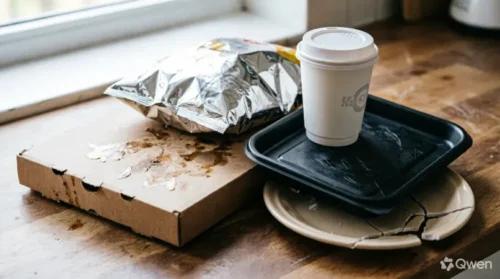
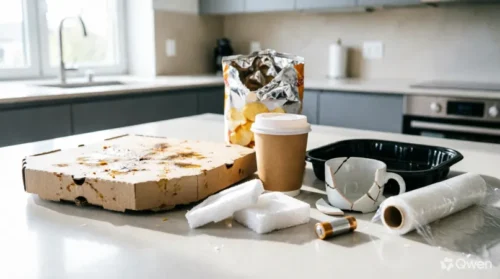
Recycling has become part of everyday life across the UK, but not everything can simply be placed in a household recycling bin. Some materials cannot be processed by standard recycling facilities, while others require specialist collection because they contain chemicals, electrical components or a mixture of materials.

So, what waste cannot be recycled in the UK?

Common examples include nappies, wet wipes, tissues, contaminated paper, broken drinking glasses, mirrors, ceramics, polystyrene, certain plastic packaging, paint containers, batteries and electrical products. However, some of these items can still be recovered through specialist recycling schemes rather than normal kerbside collections.

The exact rules can vary between councils and between England, Scotland, Wales and Northern Ireland, so households should always check their local collection rules before putting an unfamiliar item into a recycling bin.

What Waste Cannot Go in Your Recycling Bin?

What Waste Cannot Go in Your Recycling Bin

The following table provides a quick overview.

Waste type Normal household recycling? Better disposal option
Nappies and sanitary products No General waste
Wet wipes and tissues No General waste
Pyrex and drinking glasses Usually no Recycling centre/general waste
Mirrors and window glass No Specialist or recycling centre
Ceramics and crockery No Recycling centre/general waste
Polystyrene packaging Usually no General waste or specialist scheme
Paint and chemical containers No Household waste recycling centre
Batteries No Battery collection point
Electrical appliances No WEEE collection/recycling
Compostable plastics Not with normal plastics Composting/specialist facility
Heavily contaminated paper No General waste
PVC packaging Generally no Specialist disposal
Plastic film Depends on collection Store/specialist collection

Nappies, Wet Wipes and Sanitary Waste

Disposable nappies are made from a combination of plastic, absorbent fibres and other materials. Once used, they are also contaminated with human waste, making conventional recycling impractical.

The same problem applies to sanitary towels, incontinence products, wet wipes, cotton wool and many makeup pads.

Tissues and toilet paper should not be placed in paper recycling either. Their short fibres are generally unsuitable for another recycling cycle, particularly after use.

Dirty or Contaminated Paper and Card

Clean cardboard, newspapers, office paper and many forms of packaging can be recycled. Problems arise when paper becomes wet, greasy or heavily contaminated with food.

A clean pizza box, for example, may be recyclable, while a section soaked with oil, cheese or food residue may not be suitable.

Other difficult paper products include laminated paper, glitter-covered cards, some padded envelopes and wallpaper.

When recycling paper and cardboard, keeping it dry and reasonably clean helps prevent an entire load from becoming contaminated.

Drinking Glasses, Pyrex and Mirrors

One of the most common recycling mistakes is assuming that all glass can go into a glass recycling container.

Ordinary glass recycling is primarily intended for packaging such as bottles and jars.

Drinking glasses, ovenproof cookware such as Pyrex, mirrors, window panes, microwave plates and decorative glass have different chemical compositions and melting temperatures. Mixing them with container glass can interfere with the recycling process.

Ceramic plates, mugs, plant pots and earthenware should also never be mixed with glass bottles and jars.

Polystyrene

Expanded polystyrene is frequently found around electrical appliances, furniture and other products as protective packaging.

Although polystyrene can technically be recycled under specialised conditions, it is not normally accepted through standard household recycling collections. Its low weight, bulky structure and contamination risks can make economical recycling difficult.

Large quantities may have alternative commercial recycling routes, but households should check with their council or waste contractor first.

Some Plastics Cannot Go in Normal Plastic Recycling

Plastic recycling is particularly confusing because different products can look almost identical while being manufactured from very different polymers.

Items commonly excluded from normal recycling collections can include PVC packaging, expanded polystyrene, compostable or biodegradable plastics and large rigid plastic objects such as garden furniture.

In England, household recycling rules changed on 31 March 2026 under Simpler Recycling, creating a more consistent minimum range of recyclable materials. However, plastic film packaging and plastic bags are not due to become part of the standard collection requirement until 31 March 2027.

Some supermarkets and specialist collection schemes already accept flexible plastics separately.

Compostable Plastic Is Not Normal Recyclable Plastic

Compostable Plastic Is Not Normal Recyclable Plastic

A packet marked “compostable” or “biodegradable” should not automatically be placed with ordinary plastic recycling.

These materials are designed to break down differently from conventional plastics and can contaminate standard plastic recycling streams.

Government guidance specifically excludes compostable and biodegradable plastic items from the normal plastic recycling stream under England’s Simpler Recycling arrangements.

Always follow the instructions printed on the product and your local authority’s guidance.

Batteries and Electrical Items Need Separate Recycling

Batteries should never be placed in household recycling or general rubbish where a proper collection route is available.

Lithium-ion batteries in particular can become damaged during collection and sorting, creating a serious fire risk.

Electrical products such as kettles, phones, computers, televisions, hairdryers and small appliances are also handled separately under electrical waste recycling systems.

The crossed-out wheelie bin symbol found on batteries and many electrical products indicates that they should be taken to an appropriate collection point rather than disposed of with ordinary household rubbish.

For larger clear-outs containing furniture, electrical items and general household rubbish, professional rubbish removal in London can make separating different waste streams easier.

Paint, Chemicals and Hazardous Containers

Containers that have held substances such as paint, white spirit, engine oil or antifreeze should not be mixed with ordinary metal or plastic recycling.

Even an apparently empty container may contain hazardous residue.

Paint, solvents, pesticides and other household chemicals may need to be taken to an authorised household waste recycling centre or handled by an appropriate waste contractor.

Never pour unwanted chemicals into drains or mix unknown chemicals together.

What About Garden Waste?

Grass cuttings, leaves, small branches and many other organic garden materials can normally be composted or processed separately.

However, a garden waste collection should not automatically contain plant pots, plastic bags, stones, rubble, soil, fencing, garden furniture or tools.

If a major garden clearance produces a mixture of vegetation and bulky rubbish, using a dedicated garden waste removal service can help ensure the different materials are separated appropriately.

Why Does Recycling Contamination Matter?

Why Does Recycling Contamination Matter

Putting the wrong materials into recycling is known as contamination.

A small amount of unsuitable waste may need to be removed during sorting, while heavily contaminated loads can become unsuitable for normal recycling altogether. For businesses in England, government guidance states that significantly contaminated recyclable waste may need to be treated as general waste.

It is therefore better to check an uncertain item than to put it in the recycling bin and hope it can be processed.

What Should You Do With Non-Recyclable Waste?

Non-recyclable does not always mean an item has to go directly to landfill.

Depending on the material, it may be suitable for specialist recycling, reuse, energy recovery or another controlled treatment process. Express Waste Removals explains this further in its overview of what happens to non-recyclable materials.

Before throwing an item away, consider whether it can be reused, donated, repaired or taken to a specialist collection point. Furniture and other usable belongings may also have a second life rather than becoming waste; there are several options for dealing with unwanted household items.

Final Thoughts

Understanding what waste cannot be recycled in the UK helps prevent recycling contamination and makes it more likely that genuinely recyclable materials will be successfully processed.

Nappies, sanitary waste, tissues, ceramics, mirrors, Pyrex, contaminated paper and many mixed-material products should generally stay out of normal household recycling. Batteries, electrical appliances, chemicals and some plastics require separate or specialist collection instead.

Because collection systems still differ by location, particularly across the four UK nations, always check the instructions provided by your local council or waste contractor before disposing of an unfamiliar item.

For larger household, garden, office or renovation clearances in London, separating recyclable, specialist and residual waste before collection is one of the simplest ways to ensure rubbish is handled through the most appropriate disposal route.

How to Dispose of Vuse Pods in the UK: Safe Recycling and Disposal Guide

Used Vuse pods should not be placed in normal household rubbish or mixed kerbside recycling. In the UK, used pods should be kept separate and taken to an appropriate vape or WEEE recycling point, returned to a vape retailer that provides take-back, or recycled through an available Vuse Take Back option.

The important distinction is that used pods are part of the vape waste stream. GOV.UK confirms that vapes are electrical items covered by Waste Electrical and Electronic Equipment rules and that vape distributors must accept returned vape parts, including used pods, coils and batteries, for recycling.

How Should Vuse Pods Be Disposed of in the UK?

For anyone looking for how to dispose of Vuse pods UK, the practical process is straightforward. Used pods should be separated from ordinary rubbish and taken through a suitable vape or electrical recycling route.

The main options are:

  • Keep Used Pods Separate: Do not mix finished pods with general household rubbish or normal kerbside recycling.
  • Store Them Safely: Keep used pods somewhere secure and away from children and pets until they can be recycled.
  • Use Vape Recycling: Take the pods to a dedicated vape or appropriate electrical recycling collection point.
  • Use Retailer Take-Back: Vape retailers have recycling responsibilities for returned vapes and vape parts.
  • Consider Vuse Take Back: Participating Vuse collection arrangements provide another disposal route for eligible used Vuse products.
  • Check Local Facilities: Household Waste Recycling Centres may provide vape or electrical waste collection, although arrangements can vary locally.

UK consumers should therefore think of Vuse pod disposal as a specialist recycling task rather than simply deciding which household bin to use.

Can Vuse Pods Go in the General Waste Bin?

Can Vuse Pods Go in the General Waste Bin

Used Vuse pods should be kept out of ordinary household rubbish where an appropriate vape recycling route is available.

Government guidance treats vapes as electrical products for waste purposes. It also warns that unsafe vape storage and improper disposal can create a fire risk and states that vapes should be collected for recycling through suitable vape waste arrangements.

Why Vape Pods Need Separate Collection?

A used vape pod is not the same as an ordinary piece of household plastic. It is a component of an electronic vaping system and may also contain residual e-liquid.

Separating vape waste allows it to enter a collection stream designed for the product rather than contaminating normal rubbish or recycling.

Can Vuse Pods Go in Household Recycling?

Used Vuse pods should not be placed loose in standard kerbside plastic, paper, glass or mixed recycling bins.

Specialist vape and WEEE collection is different from household recycling. Waste collected through the correct route can be handled according to the requirements applying to electrical and vape-related products.

The Recycle Your Electricals campaign specifically advises that vapes and vape pods can and should be recycled and provides a way to locate suitable collection points across the UK.

Are Vuse Pods Classed as WEEE in the UK?

UK government guidance states that vapes are electrical items covered by the Waste Electrical and Electronic Equipment Regulations, commonly known as the WEEE Regulations.

For consumers dealing specifically with pods, there is an important practical detail. The government’s vape recycling rules expressly include used pods among the vape parts that distributors must accept when customers return them for recycling.

This means that, from a disposal perspective, used Vuse pods should enter an appropriate vape or WEEE recycling route rather than ordinary household waste.

What WEEE Means for Vape Users?

WEEE rules exist to keep electrical and electronic waste separate from ordinary waste and support appropriate recovery and recycling.

For vape users, the practical implications include:

  • Separate Vape Waste: Keep pods and electrical vape products out of normal household waste streams.
  • Use Designated Collection: Look for vape, electrical or WEEE recycling facilities.
  • Return Eligible Items: Retailer and manufacturer take-back schemes can provide convenient disposal routes.
  • Handle Batteries Separately Where Appropriate: Removable batteries require suitable battery recycling.

What Vuse Says About Pod Disposal?

What Vuse Says About Pod Disposal

Vuse’s current UK disposal information directs consumers to take vape pods and cartridges to a WEEE centre or use the Vuse Take Back scheme.

Vuse also states that electrical and electronic goods and batteries should be collected separately rather than disposed of as regular household waste.

Where Can Used Vuse Pods Be Recycled?

There is more than one option for Vuse pod recycling in the UK, so households do not necessarily have to rely on a single disposal route.

Vuse Take Back Scheme

Vuse operates a Take Back arrangement for eligible used products. Its published disposal guidance says used ePods can be collected and returned through participating drop-off arrangements.

Vape Retailer Take-Back

Retailers selling vapes have specific recycling responsibilities. GOV.UK states that vape distributors must offer a take-back service and accept returned vapes and vape parts such as pods, coils and batteries.

Household Waste Recycling Centres

Some Household Waste Recycling Centres accept vapes or small electrical items through dedicated collection containers. Services vary between councils, so the relevant local authority’s current waste information should be checked before travelling.

Dedicated Vape and Electrical Recycling Points

Specialist recycling points can also accept unwanted electrical products and vapes. The Recycle Your Electricals network lists thousands of electrical reuse and recycling locations around the UK, making it useful when searching for a nearby vape recycling point.

How to Dispose of Vuse Pods UK: Step-by-Step

Step 1: Stop Using the Finished Pod

Once a Vuse pod is finished or no longer suitable for use, it should be removed from the device according to the manufacturer’s normal handling instructions.

The pod should not be dismantled unnecessarily simply to prepare it for recycling.

Step 2: Store the Used Pod Safely

Used Vuse pods can be kept together temporarily until a suitable recycling trip can be made.

They should be stored securely and kept away from children and pets. A pod containing residual liquid should remain contained rather than being deliberately emptied into the environment.

Step 3: Keep It Separate From Household Rubbish

The used pod should not be mixed into a bag of general rubbish or placed loose in standard household recycling.

Keeping vape products separate makes it easier to deliver them into the correct waste stream.

Step 4: Find an Appropriate Recycling Point

Suitable options may include:

  • Vape Retailers: Ask about the retailer’s vape take-back arrangements.
  • Vuse Drop-Off Locations: Check whether an appropriate Vuse collection option is available nearby.
  • Recycling Centres: Check the local council’s arrangements for vapes and small electrical waste.
  • Electrical Recycling Points: Look for dedicated collection locations that accept vapes.

Step 5: Use the Correct Collection Stream

At the collection location, pods should be placed only in the container or waste stream specified for vapes or relevant electrical waste.

Consumers should follow the facility’s instructions because collection systems can differ between councils, shops and recycling schemes.

Vuse Pods, Vuse Devices and Disposable Vapes: What Is the Difference?

Vuse Pods, Vuse Devices and Disposable Vapes

Correct vape disposal in the UK becomes easier when pods, rechargeable devices and single-use vapes are treated as separate items.

Used Vuse Pods

A Vuse pod is a replaceable part of a reusable vaping system. When finished, the pod should be directed to a vape/WEEE collection or take-back route.

It should not be treated as ordinary packaging simply because parts of the pod may appear to be made from plastic.

Rechargeable Vuse Devices

A rechargeable Vuse device is electrical equipment and should be recycled as electrical waste when it reaches the end of its useful life.

Vuse states that its electrical goods and batteries should be collected separately for recovery and recycling instead of entering regular household waste.

Removable Batteries

Where an electrical product has a battery specifically designed to be removed by the user, the battery may require a dedicated battery recycling route.

A battery should not be forced out of a device when it is not designed for easy user removal.

Single-Use Vapes

Single-use vapes are different from reusable pod systems.

The UK ban on the sale and supply of single-use vapes came into force on 1 June 2025. A reusable vape must be rechargeable and refillable in the way required by the regulations.

The ban does not mean old single-use vapes can be thrown in household rubbish. Vape products already requiring disposal still need an appropriate recycling route.

Vuse Pod and Vape Disposal Comparison

Item General Waste Household Recycling Preferred Disposal Route
Used Vuse Pod Avoid No Vape/WEEE recycling or take-back
Rechargeable Vuse Device No No Electrical/WEEE recycling
Removable Vape Battery No No Battery recycling point
Single-Use Vape Requiring Disposal No No Vape/electrical recycling
Empty E-Liquid Container Check Local Rules Depends on Material Follow local recycling guidance

The table provides a general UK guide. Local council arrangements should still be checked where the exact collection method is unclear.

What Should Be Done With Vuse Pods That Still Contain E-Liquid?

A Vuse pod that still contains some liquid should not be deliberately emptied into a sink, toilet, drain or onto the ground simply to make disposal easier.

The safer approach is to keep the pod intact and use an appropriate vape recycling or take-back service. If a recycling centre has specific requirements for partially used pods, its instructions should be followed.

This also reduces unnecessary contact with residual e-liquid.

Follow the Receiving Facility’s Instructions

Collection arrangements are not identical across the UK.

A local recycling centre may use a dedicated vape container, while a retailer or manufacturer scheme may have its own collection process. Checking the receiving facility’s requirements helps prevent the pod from entering the wrong waste stream.

How Vape Recycling Helps Reduce Problem Waste?

Correct vape pod recycling keeps specialist products away from waste streams that were not designed to handle them.

Electrical recycling can also help recover materials from discarded electrical products rather than losing those materials through inappropriate disposal.

Separate collection is particularly important for complete vaping devices containing batteries. Battery-powered products can create fire risks when damaged or crushed during waste collection and processing.

Proper recycling therefore helps:

  • Keep Electrical Waste Separate: Vape-related electrical waste remains outside ordinary rubbish streams.
  • Support Material Recovery: Suitable materials can enter specialist recycling processes.
  • Reduce Incorrect Disposal: Clearly identified collection routes make it less likely that vapes will be placed in unsuitable bins.
  • Improve Waste Handling: Specialist collection allows vape products to be managed according to their waste characteristics.

What UK Vape Retailers Are Required to Do?

The UK’s current vape recycling requirements place responsibilities on businesses that sell vapes.

According to official government guidance, a business selling vapes as a distributor must offer a take-back service. The requirement covers vapes and vape parts returned by customers for recycling, with used pods, coils and batteries specifically listed as examples.

This provides another practical option for consumers wondering where to dispose of Vuse pods.

Does a Customer Have to Buy Another Vape?

The current GOV.UK vape-specific guidance states that distributors must offer take-back and accept returned vapes and vape parts for recycling. Consumers can ask the retailer how its collection scheme operates in practice.

What If a Retailer Does Not Appear to Offer Recycling?

Another legitimate disposal route can be used rather than placing the pod in household waste.

Depending on the area, this could include a Household Waste Recycling Centre, specialist vape recycling point, electrical collection location or applicable manufacturer take-back scheme.

Finding a Vape Recycling Point Near You

Consumers searching for a vape recycling point near me have several ways to locate suitable facilities.

Vuse’s store locator identifies stockists and can also guide users towards Vuse drop-off stations for relevant used products.

Other options include:

  • Check the Local Council Website: Search for vape, electrical or WEEE recycling information.
  • Ask a Vape Retailer: Find out where returned pods and devices should be deposited.
  • Check Household Recycling Centres: Confirm whether the local facility has a dedicated vape collection point.
  • Use an Electrical Recycling Locator: Search by postcode for nearby electrical recycling locations.

Checking before travelling is worthwhile because accepted waste streams and collection arrangements can differ between areas.

How Express Waste Removals Fits Into Responsible WEEE Disposal?

Electrical waste is only one part of responsible waste management.

Express Waste Removals provides rubbish and clearance services in Greater London and publishes information about handling Waste Electrical and Electronic Equipment. Its office clearance service includes end-of-life electrical and electronic equipment such as computers, printers, phones and peripherals among the WEEE waste it handles.

The company’s house clearance service also lists unwanted electrical appliances among the items it can remove.

However, individual used Vuse pods have specific manufacturer, retailer and vape-recycling routes available. Anyone considering a professional waste collection service for vape-related material should confirm directly whether that particular waste type is accepted before arranging collection.

Conclusion: How to Dispose of Vuse Pods Responsibly in the UK?

Knowing how to dispose of Vuse pods UK correctly comes down to one main rule: used pods should be kept separate from ordinary household rubbish and normal kerbside recycling and directed to an appropriate vape or WEEE recycling route.

Options can include retailer take-back, a participating Vuse collection scheme, Household Waste Recycling Centres and specialist electrical or vape recycling points.

The rechargeable Vuse device, removable batteries and individual pods should also be treated according to their respective recycling requirements rather than assuming every part belongs in the same household bin.

Correct Vuse pod recycling in the UK makes disposal clearer for households while ensuring vape waste enters a collection system designed to handle it.

Frequently Asked Questions About Vuse Pod Recycling

Can Vuse Pods Go in the Normal Bin?

Used Vuse pods should be kept out of normal household rubbish and taken to an appropriate vape/WEEE recycling or take-back point.

Can Vuse Pods Go in Household Recycling?

No. Standard kerbside recycling is not the appropriate route for used vape pods. They should be collected separately through a suitable vape recycling service.

Can Vuse Pods Be Recycled in the UK?

Yes. Used Vuse pods can be directed to suitable vape/WEEE collection points, retailer take-back arrangements or applicable Vuse Take Back options.

Do Vape Shops Have to Accept Used Pods?

GOV.UK states that vape distributors must offer take-back and accept returned vape parts, including used pods, coils and batteries, for recycling.

What Should Be Done With a Vuse Pod That Still Contains E-Liquid?

The pod should be kept intact and taken to an appropriate collection service rather than deliberately emptying the remaining liquid into a drain or onto the ground.

How Should an Old Vuse Device Be Disposed Of?

Rechargeable Vuse devices should be treated as electrical waste and taken through an appropriate WEEE or electrical recycling route.

Does the UK Disposable Vape Ban Affect Vuse Pod Recycling?

The single-use vape sales and supply ban has been in force since 1 June 2025, but used vape products and parts still need appropriate recycling rather than household disposal.