What Will Happen If We Don’t Recycle? The Real Impact on London

Imagine London without recycling. Every plastic bottle, cardboard box, aluminium can and unwanted appliance would become another piece of rubbish needing disposal. With millions of residents producing waste daily, the environmental consequences would quickly become serious.

According to London’s official environmental data, only 32.6% of household waste was recycled in 2024/25. This highlights why improving recycling habits remains essential.

As London waste removal specialists, we understand that recycling is not simply about separating rubbish. It protects resources, reduces pollution and helps create a cleaner city.

What Will Happen If We Stop Recycling?
What Will Happen If We Stop Recycling

1. More Waste Will End Up in Incinerators and Landfills

Without recycling, more reusable materials would enter general waste collections.

London already relies heavily on energy-from-waste incineration, while relatively little council-collected waste goes directly to landfill.

Although incineration can generate electricity, burning recyclable materials still produces emissions and wastes resources that could have been recovered.

Understanding what happens to non-recyclable materials demonstrates why proper waste separation matters.

2. Pollution and Carbon Emissions Will Increase

Recycling helps reduce the need to manufacture products entirely from raw materials.

Without it:

  • More greenhouse gases could be released through production and disposal.
  • Additional plastic waste could pollute rivers and natural environments.
  • Manufacturing would require greater energy consumption.
  • Improperly discarded rubbish could harm wildlife.

For a busy city like London, these consequences make responsible waste management particularly important.

3. Natural Resources Will Disappear Faster

Every discarded aluminium can, glass bottle or sheet of paper represents materials originally extracted from nature.

Without recycling, businesses would depend more heavily on newly mined metals, timber and other raw materials.

Recycling aluminium, for example, can save around 95% of the energy required to produce it from primary materials.

That makes recycling an important part of protecting natural resources for future generations.

4. Waste Management Could Become More Expensive

When recyclable materials enter general waste, councils and waste operators must manage larger volumes of residual rubbish.

This can increase treatment costs, while businesses lose opportunities to recover valuable materials.

For London households, landlords and commercial properties, separating waste correctly can also make collections more efficient.

What Can Londoners Do to Prevent These Problems?

What Can Londoners Do to Prevent These Problems

The solution begins with everyday decisions.

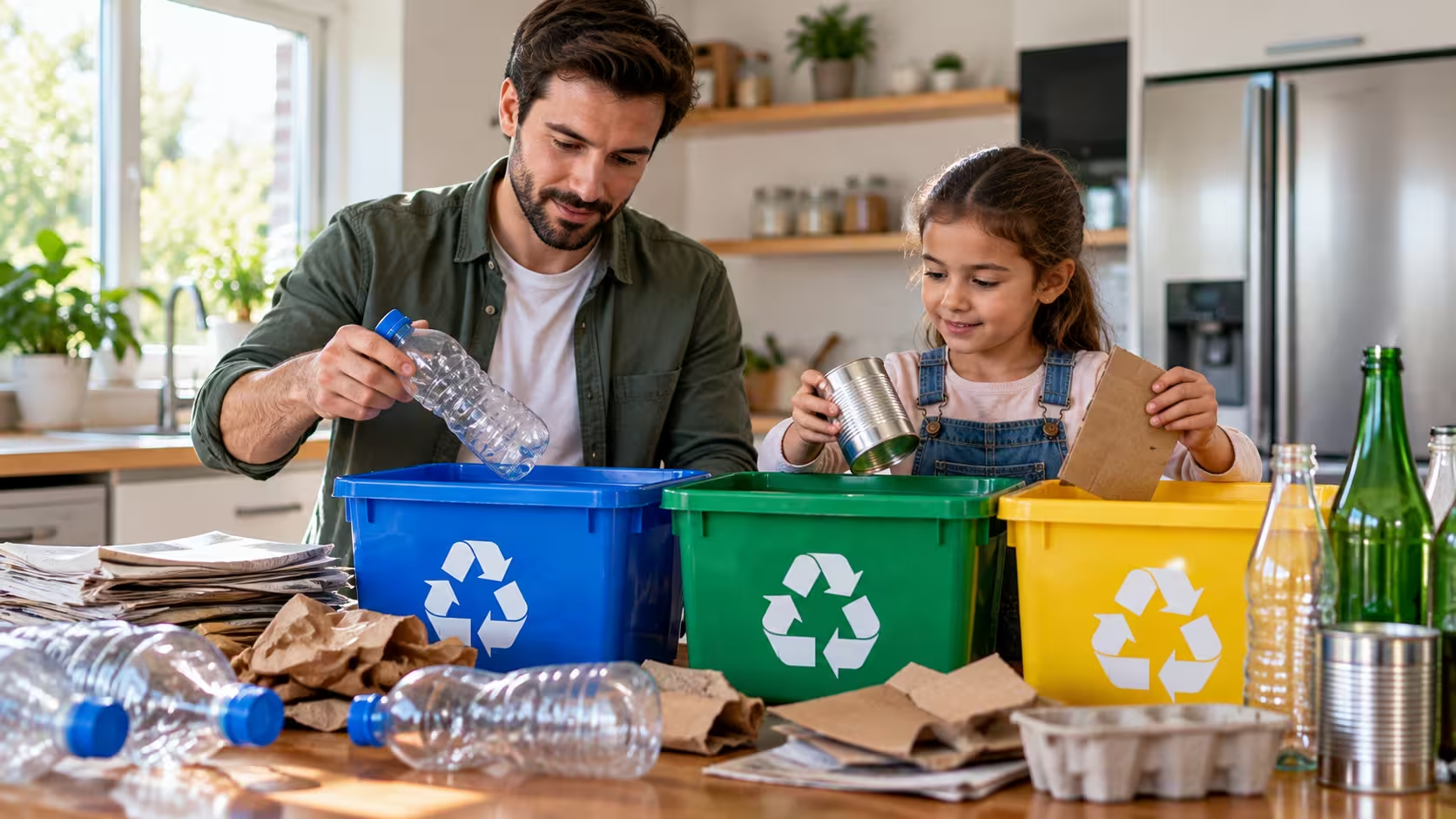
  • Separate materials: Keep recyclable paper, cardboard, metals, plastics and glass in the correct containers.
  • Avoid contamination: Check which waste cannot be recycled before using household recycling bins.
  • Reuse belongings: Donate functional furniture, appliances and household items.
  • Recycle garden waste: Compost suitable organic materials or arrange responsible garden waste removal in London.
  • Choose responsible collectors: Use registered waste carriers for bulky rubbish and property clearances.

Remember that recycling arrangements can differ between London boroughs, so always follow your local council’s instructions.

How Can Responsible Waste Removal Help London’s Future?
How Can Responsible Waste Removal Help London's Future

Stopping recycling would increase environmental pressure, waste valuable resources and make London’s rubbish problem harder to manage.

At Express Waste Removals, we believe waste should be treated as a potential resource rather than automatically discarded.

Our rubbish removal services in London prioritise responsible collection, material recovery and appropriate disposal wherever possible.

A cleaner London starts with what we choose to recycle today.
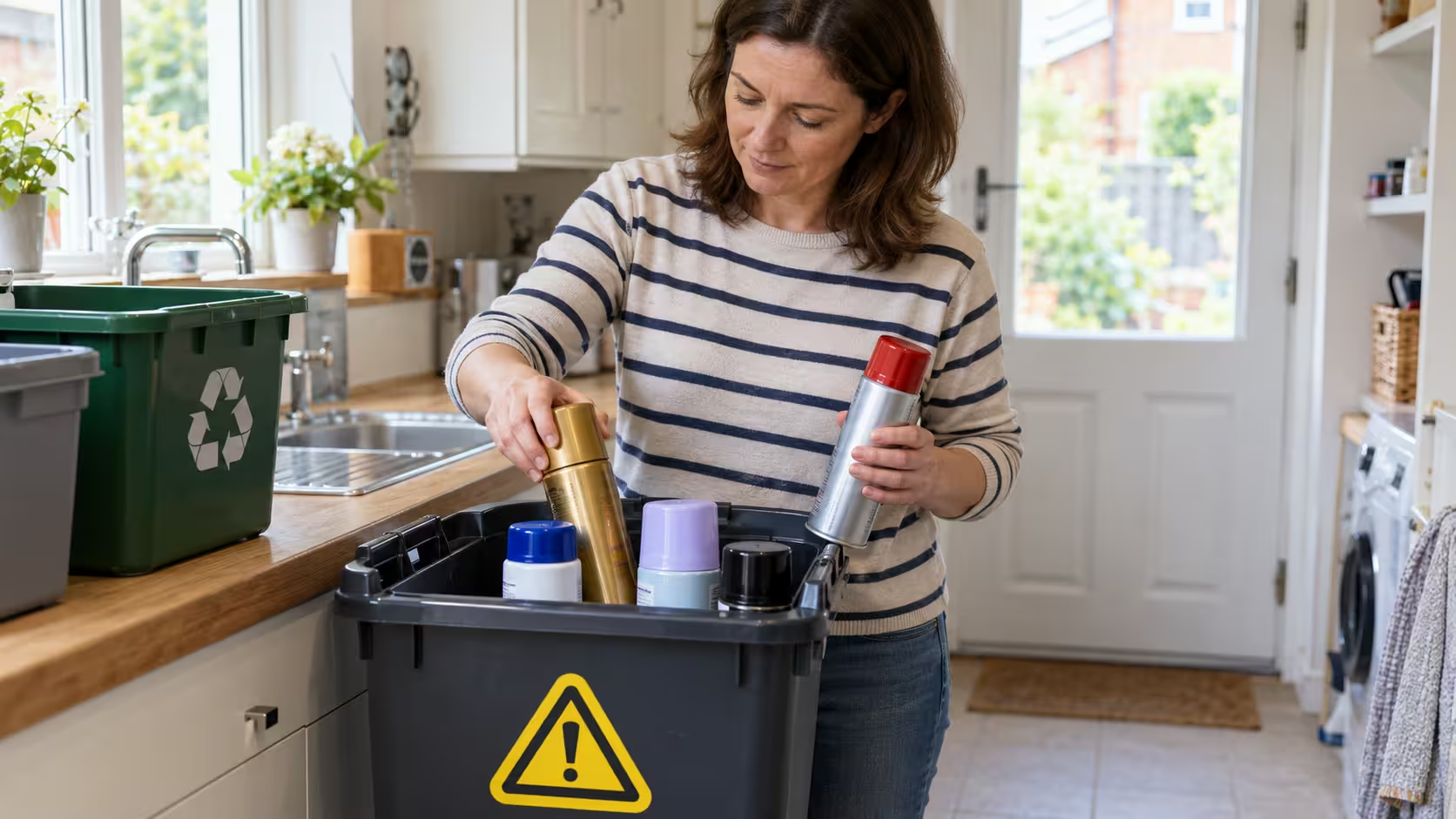
How to Dispose of Aerosol Cans That Are Not Empty in UK?

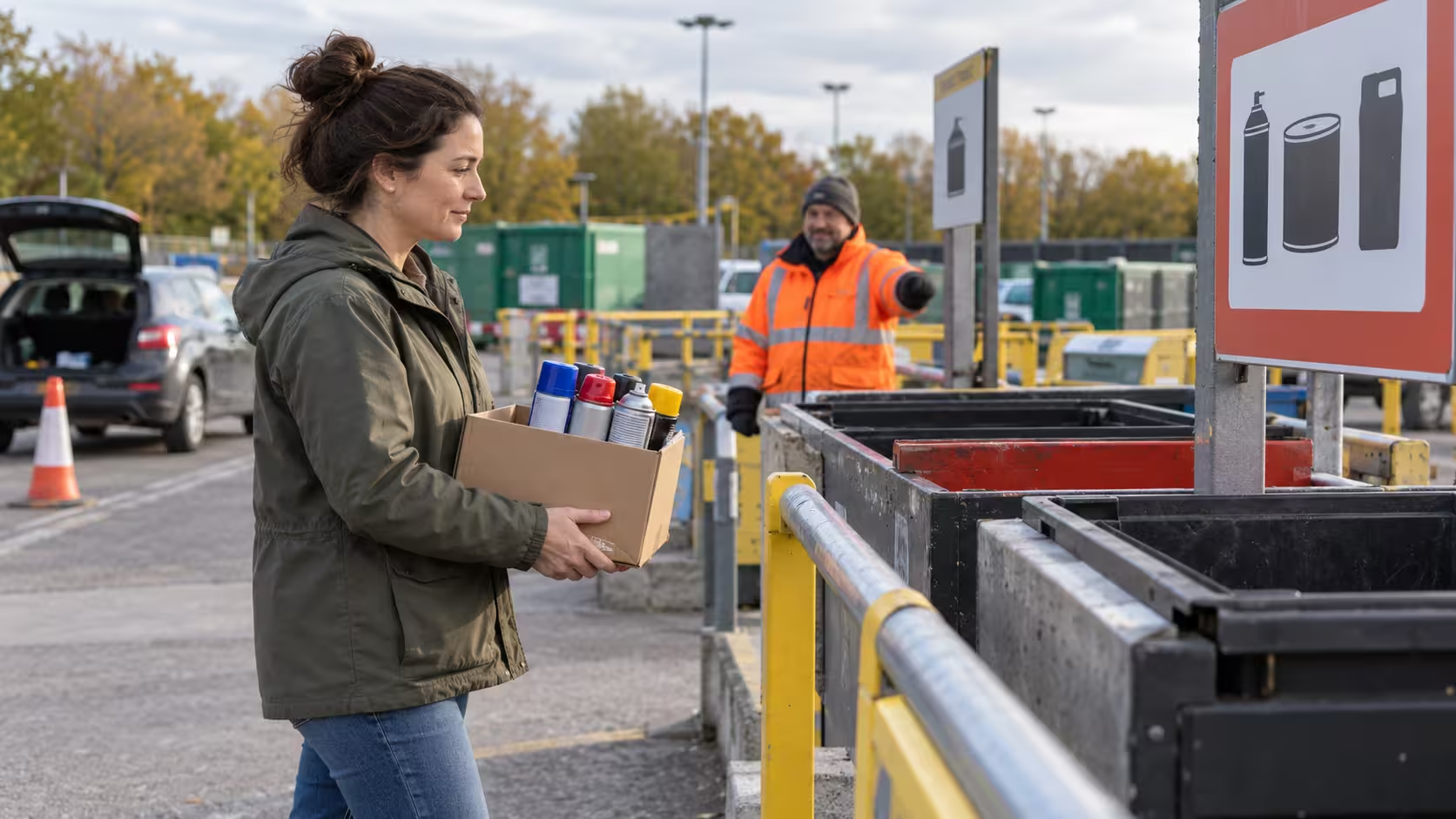
If an aerosol can still contains product or propellant, do not automatically put it in your household recycling bin. In many parts of the UK, partially full aerosol cans should be taken to a household waste recycling centre (HWRC) or handled through an appropriate hazardous-waste route. Never puncture, crush, flatten or burn the can to empty it.

Local rules can vary. Some authorities accept certain partly full non-hazardous aerosols, while others require non-empty cans to go to a recycling centre. Always check your council’s instructions and the disposal information on the product label.

What Should You Do With a Part-Full Aerosol Can?

What Should You Do With a Part-Full Aerosol Can 

First, identify what is inside. Deodorant, hairspray, air freshener and furniture polish are common household aerosols, while spray paint, pesticides, oven cleaner and some automotive products may need greater care.

If the product is still usable and the can works normally, use it for its intended purpose until empty. An unused, undamaged product may also be suitable to give to someone who can safely use it, provided the label remains intact.

If you cannot use the contents, keep the can whole and check whether your local HWRC accepts aerosols or household chemicals. GOV.UK provides a postcode-based hazardous-waste disposal finder for England and Wales

Can Non-Empty Aerosol Cans Go in the Recycling Bin?

Do not assume they can. Recycle Now advises that aerosol cans should be completely empty before normal recycling and should never be pierced, crushed or flattened.

Council policies differ. North London Waste Authority, for example, allows some full or half-full aerosols that did not contain spray paint or pesticide, while other councils direct non-empty cans to an HWRC. Checking your postcode-specific rules is therefore important.

The same issue applies to other awkward materials. Our guide to what waste cannot be recycled in the UK explains why some containers need a separate disposal route because of their contents or contamination.

How Can You Tell Whether an Aerosol Is Empty?

A can is normally ready for recycling only when the product has been used as intended and nothing more comes from the nozzle.

Check by:

  • Pressing the nozzle normally to see whether any product comes out.
  • Listening for a remaining hiss.
  • Gently shaking the can for obvious liquid movement.
  • Checking your council’s recycling instructions.

Do not puncture the container to test it. Even a can that feels empty may retain some pressure.

What If the Nozzle Is Broken or Blocked?

What If the Nozzle Is Broken or Blocked

Do not cut, drill or pierce the can to release the contents. If the nozzle has failed while product remains inside, treat the aerosol as non-empty.

Keep it upright and take it to a facility that accepts the relevant waste. For paint aerosols, the guide to disposing of old paint and cans in the UK covers paint-related disposal in more detail.

How Should Non-Empty Aerosols Be Stored and Transported?

Keep unwanted cans somewhere cool, dry and well ventilated, away from direct sunlight, flames, heaters and other ignition sources. Leave the original label attached so the contents can be identified.

When travelling to a recycling centre, keep cans upright and secure so they cannot roll around or become damaged. Avoid leaving them in a hot vehicle.

Are Spray Paint and Pesticide Aerosols Different?

They can be. Aerosols containing paint, pesticides, solvents or other hazardous chemicals may require a dedicated household hazardous-waste route rather than ordinary kerbside recycling.

Never spray unwanted chemicals into the air or pour liquid products into drains just to empty the container. Follow the label and local authority instructions. Our overview of hazardous waste disposal explains why chemicals, paints and aerosols require careful handling.

What About Aerosol Cans From a Business?

What About Aerosol Cans From a Business

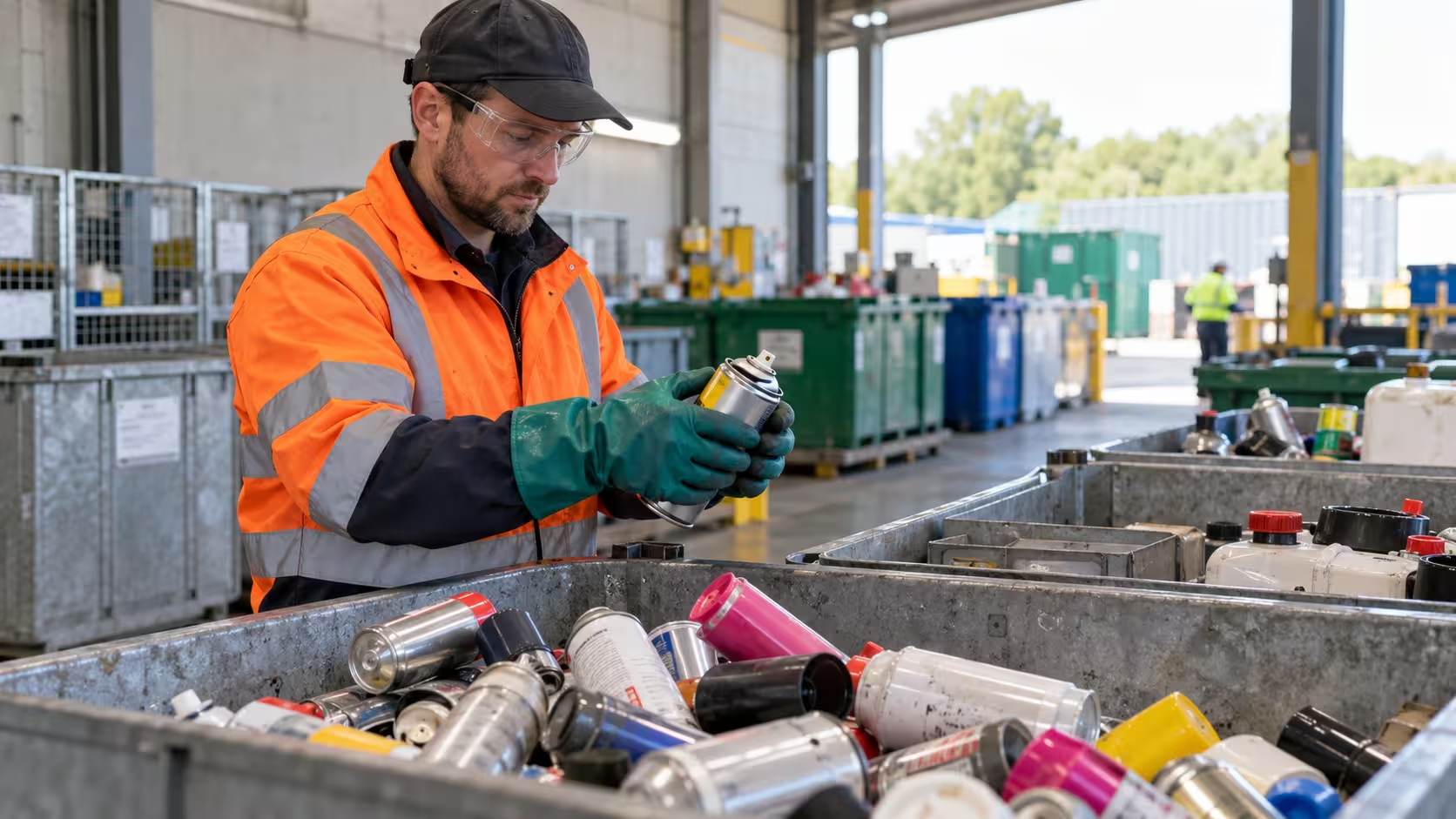
Commercial aerosols require a different approach. The Health and Safety Executive says full or partly full aerosol canisters disposed of in bulk need to be treated as hazardous waste and recommends specialist recycling facilities for aerosols from commercial waste streams.

Businesses should keep aerosols separated, identify the contents and use an authorised waste contractor where required rather than putting them into ordinary mixed waste.

The Bottom Line

For most UK households, keep a non-empty aerosol out of normal recycling unless your local authority clearly permits it. Use the product safely if possible; otherwise, keep the can intact and take it to an appropriate recycling centre or hazardous-waste facility. Never puncture, crush, burn or deliberately discharge an aerosol simply to make the container recyclable.