How to Dispose of Mounjaro Pens UK: A Safe Disposal Guide

Knowing how to dispose of Mounjaro pens in the UK is important for protecting your family, waste collection workers and the environment. Incorrect disposal of injection pens and needles can cause accidental injuries and contaminate recyclable materials.

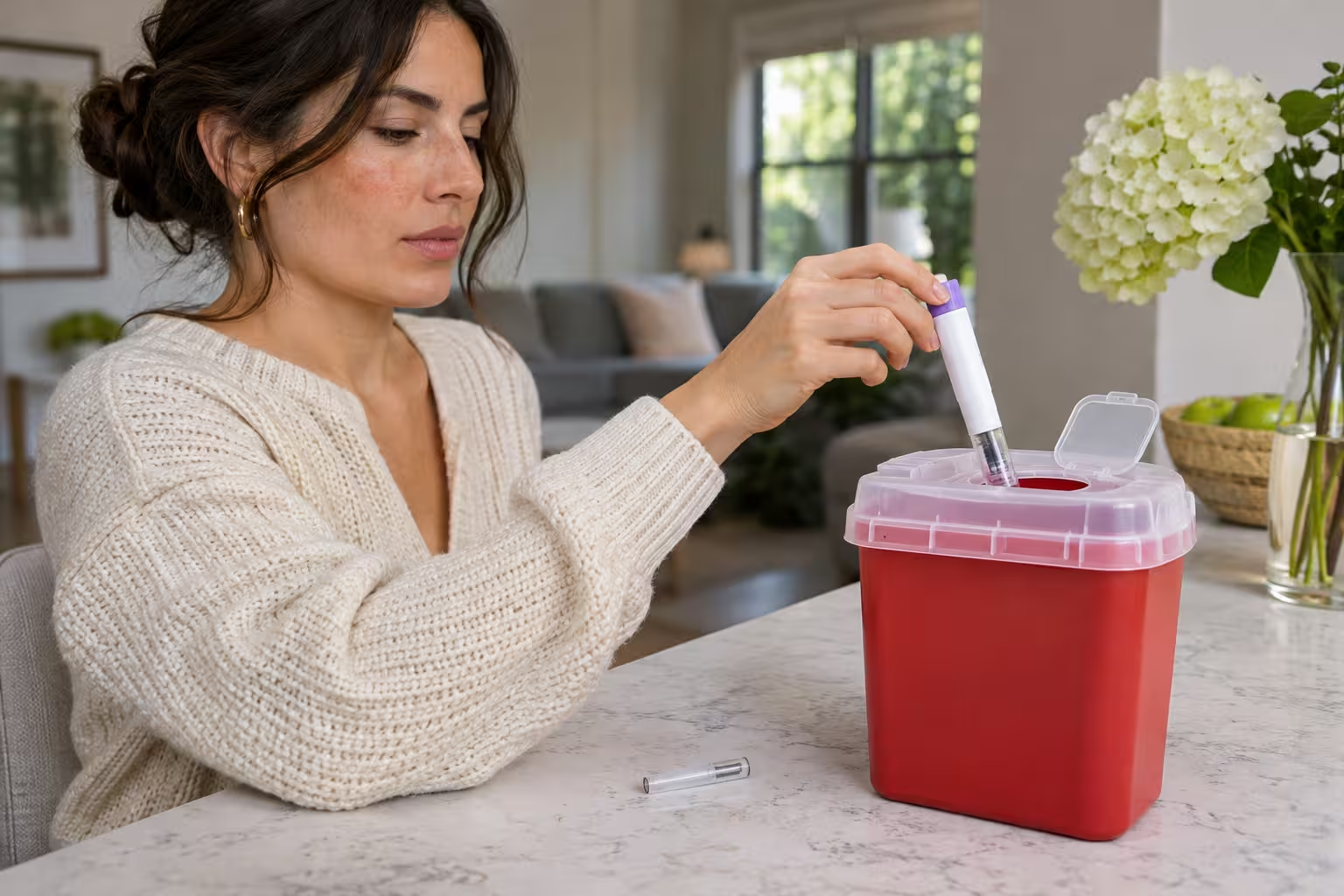
Used Mounjaro needles must always be placed in a designated sharps bin. Once the needle has been removed, an empty Mounjaro KwikPen can be disposed of in a sharps container or general household waste, subject to local disposal requirements.

Understanding the difference between clinical waste and ordinary household rubbish is essential for responsible waste management.

How to Dispose of Used Mounjaro Pens Safely?
How to Dispose of Used Mounjaro Pens Safely

Each Mounjaro KwikPen contains four weekly doses. The pen must be discarded after these doses have been administered or 30 days after first use, whichever comes first.

Follow these disposal steps:

  • Carefully remove the needle according to the manufacturer’s instructions.
  • Place the used needle immediately into an approved sharps bin.
  • Replace the pen cap.
  • Dispose of the finished pen according to local waste disposal requirements.
  • Arrange an appropriate collection when your sharps container reaches its fill line.

Never attempt to refill the pen, extract leftover medication or dismantle its components.

Can You Put Mounjaro Pens in Household Bins?

According to Eli Lilly’s disposal guidance, finished KwikPens can enter general household waste once the needle has been removed, provided local requirements allow it.

However, loose needles must never be mixed with household rubbish.

Waste item Recommended disposal method
Used injection needle Approved sharps bin
Finished pen without needle General waste or sharps bin, subject to local guidance
Unused or expired medication Consult your pharmacy
Clean cardboard packaging Household recycling
Full sharps container Approved clinical waste collection

Separating these materials helps prevent injuries and ensures hazardous waste is handled appropriately.

Where Can You Dispose of Mounjaro Sharps Bins in the UK?
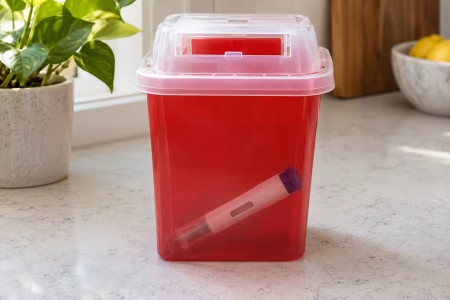
Where Can You Dispose of Mounjaro Sharps Bins in the UK

Depending on your location, several disposal arrangements may be available:

  • Local council clinical waste collections.
  • Participating pharmacies.
  • Healthcare provider disposal schemes.
  • Specialist clinical waste collection companies.

Residents in England and Wales can use the GOV.UK clinical waste collection service to check their council’s arrangements.

Always confirm whether your pharmacy accepts sharps containers before visiting. Residents in Scotland and Northern Ireland should contact their local healthcare provider or council.

Can Mounjaro Pens Be Recycled?

Mounjaro KwikPens cannot be recycled through standard household recycling collections.

Although they contain plastic and other materials, their medical components make them unsuitable for conventional recycling processes.

Understanding what waste cannot be recycled helps reduce contamination at recycling facilities.

Clean cardboard packaging and paper instructions can usually be recycled separately.

How Do You Dispose of Unused or Expired Mounjaro Pens?
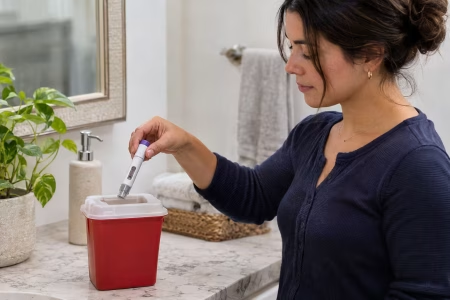
How Do You Dispose of Unused or Expired Mounjaro Pens

Unused, damaged or expired Mounjaro pens containing medication require appropriate pharmaceutical disposal.

Contact your pharmacy for advice instead of throwing them into household bins or emptying their contents down the sink.

The same precautions apply when disposing of old medication found during a property clearance.

Conclusion

Disposing of Mounjaro pens correctly is a simple but important part of responsible waste disposal. Always separate used needles, follow the manufacturer’s instructions and check your council’s clinical waste arrangements.

At Express Waste Removals, we encourage responsible waste segregation to protect both people and the environment. Although we do not collect clinical waste or sharps, our rubbish removal and house clearance services can help you safely remove suitable non-hazardous household waste across London.
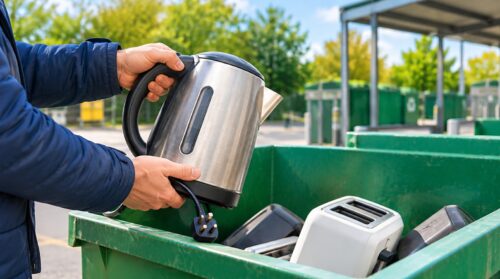

How to Dispose of a Kettle Safely in the UK?

Wondering how to dispose of a kettle that has stopped working or needs replacing? You cannot simply throw it into your household rubbish bin. Electric kettles are classified as Waste Electrical and Electronic Equipment (WEEE), meaning they require separate recycling.

Whether your kettle is broken, outdated or no longer needed, several safe and environmentally friendly disposal options are available across the UK.

Can You Put an Old Kettle in the Bin?

No, electric kettles should not go into your general waste or household recycling bin. They contain materials such as metals, plastics and electrical components that require specialist recycling.

Incorrect disposal wastes valuable resources and can contribute to environmental pollution.

As with other kitchen appliances, kettles should be recycled through an authorised electrical waste collection facility.

The crossed-out wheelie bin symbol on your kettle indicates that it must be collected separately from ordinary household waste.

How to Dispose of a Kettle Responsibly?

There are several practical ways to get rid of an unwanted electric kettle without harming the environment.

1. Take It to a Recycling Centre

Your local household waste recycling centre is one of the easiest places to dispose of a broken kettle.

Most centres have dedicated electrical recycling containers where kettles, toasters and similar appliances can be deposited.

Check your council’s website for the nearest location, opening times and any booking requirements.

recycle kettle

2. Return It to an Electrical Retailer

Under UK WEEE regulations, retailers must offer free like-for-like recycling when customers purchase a replacement electrical appliance.

For example, when purchasing a new kettle, you can return your old kettle through the retailer’s take-back service. Some larger stores also accept small electrical items without requiring a purchase.

3. Donate a Working Kettle

If your kettle still functions safely, consider donating it to a charity shop or giving it to someone who needs it.

Clean the kettle, remove limescale and check that the cable and plug are undamaged before offering it for reuse.

Donating functional appliances supports reuse and helps reduce waste.

4. Repair the Kettle

Sometimes, kettles stop working because of a faulty switch, damaged connection or accumulated limescale.

Before replacing yours, check whether professional repair is possible and economically worthwhile.

Never attempt electrical repairs yourself unless appropriately qualified.

5. Arrange Professional Waste Collection

If you are clearing your kitchen or replacing several appliances, arranging professional waste removal can be convenient.

Our kitchen removal service helps London households dispose of unwanted kitchen items and appliances responsibly.

Before collection, confirm that your kettle and any other electrical equipment can be accepted.

old kettle removal

How Should You Prepare a Kettle for Recycling?

Before taking your kettle to a recycling point:

  • Unplug it and allow it to cool completely.
  • Empty any remaining water.
  • Keep its detachable electrical base with the kettle.
  • Remove any easily removable batteries, if applicable, following recycling guidance.
  • Avoid dismantling electrical components.

Proper preparation helps prevent contamination and supports safer recycling. You can also explore our recycling tips for handling other household waste.

Disposing of an old kettle correctly is straightforward. Whether you choose retailer take-back, recycling, repair or professional collection, responsible disposal helps recover useful materials and reduces unnecessary waste.

How to Dispose of Hearing Aid Batteries Safely in London?

Hearing aid batteries may be small, but disposing of them incorrectly can create environmental and safety risks. Most traditional hearing aids use zinc-air button batteries, while newer rechargeable models may contain lithium-ion batteries.

In London, used hearing aid batteries should never be placed in general rubbish or household recycling bins. They require separate collection to prevent pollution and support the recovery of valuable materials.

Understanding what waste cannot be recycled through normal household collections helps residents make safer disposal decisions.

Where Can You Dispose of Hearing Aid Batteries in London?

Where Can You Dispose of Hearing Aid Batteries in London

London residents have several convenient options for recycling hearing aid batteries without paying additional disposal charges.

1. Supermarkets and Retail Shops

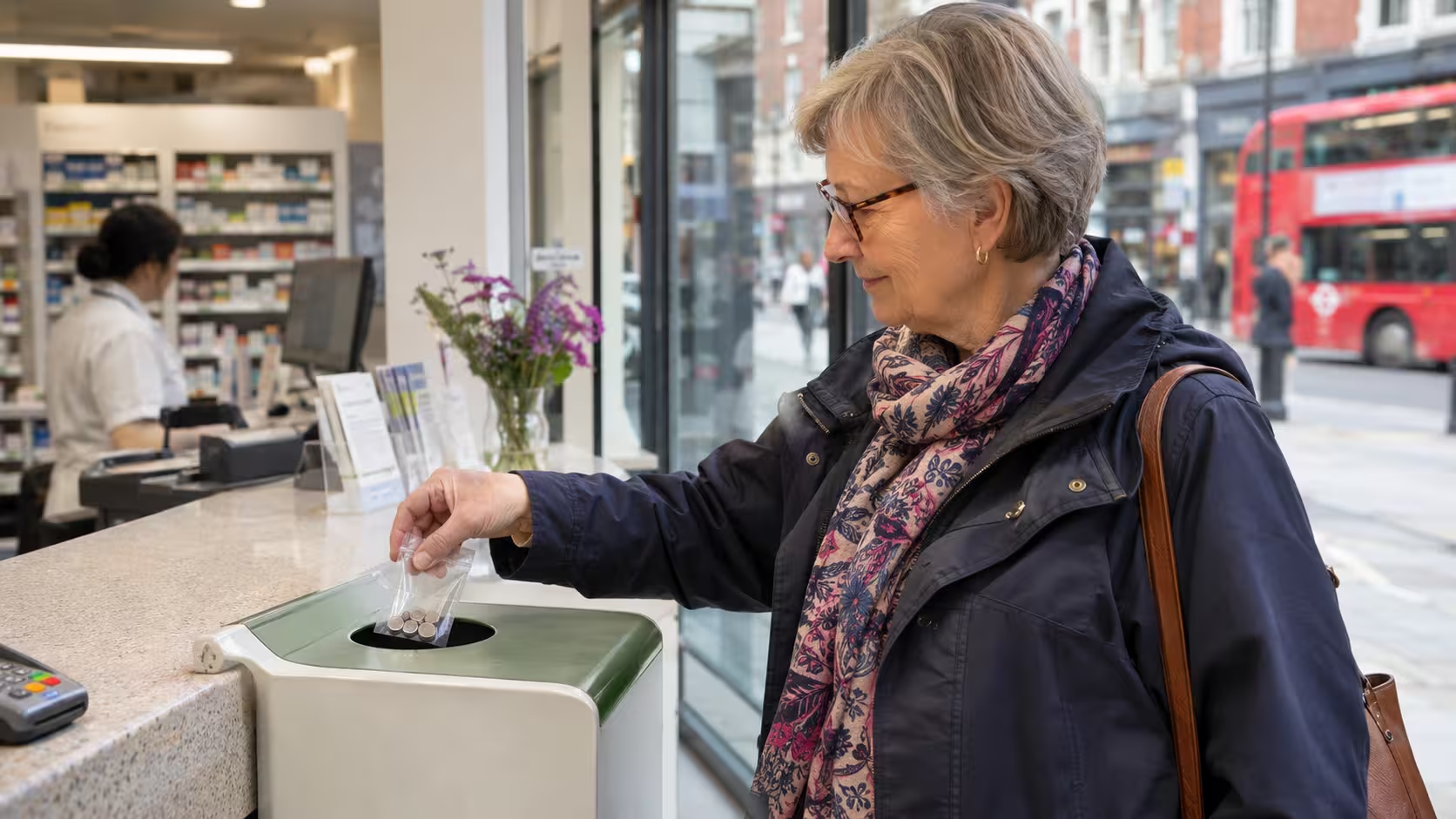
Large supermarkets, electrical retailers and shops selling significant quantities of portable batteries provide dedicated battery recycling points.

Under UK regulations, retailers selling at least 32kg of portable batteries annually must offer free battery take-back facilities. These collection points accept hearing aid button batteries.

2. Local Council Recycling Centres

London borough recycling centres generally accept small household batteries. Check your council’s website before visiting, as collection arrangements vary.

Incorrect disposal can create recycling contamination and increase fire risks at waste processing facilities.

3. Audiology Clinics and Hearing Aid Providers

Some NHS audiology departments, hearing aid suppliers and specialist clinics offer battery recycling facilities. Contact your provider to confirm availability.

Choosing dedicated recycling services supports responsible recycling in London while reducing unnecessary waste.

How Should You Handle Hearing Aid Batteries Before Recycling?

How Should You Handle Hearing Aid Batteries Before Recycling

Safe handling is essential, especially when storing several used batteries at home.

  • Remove batteries carefully: Take out depleted removable batteries without damaging the hearing aid.
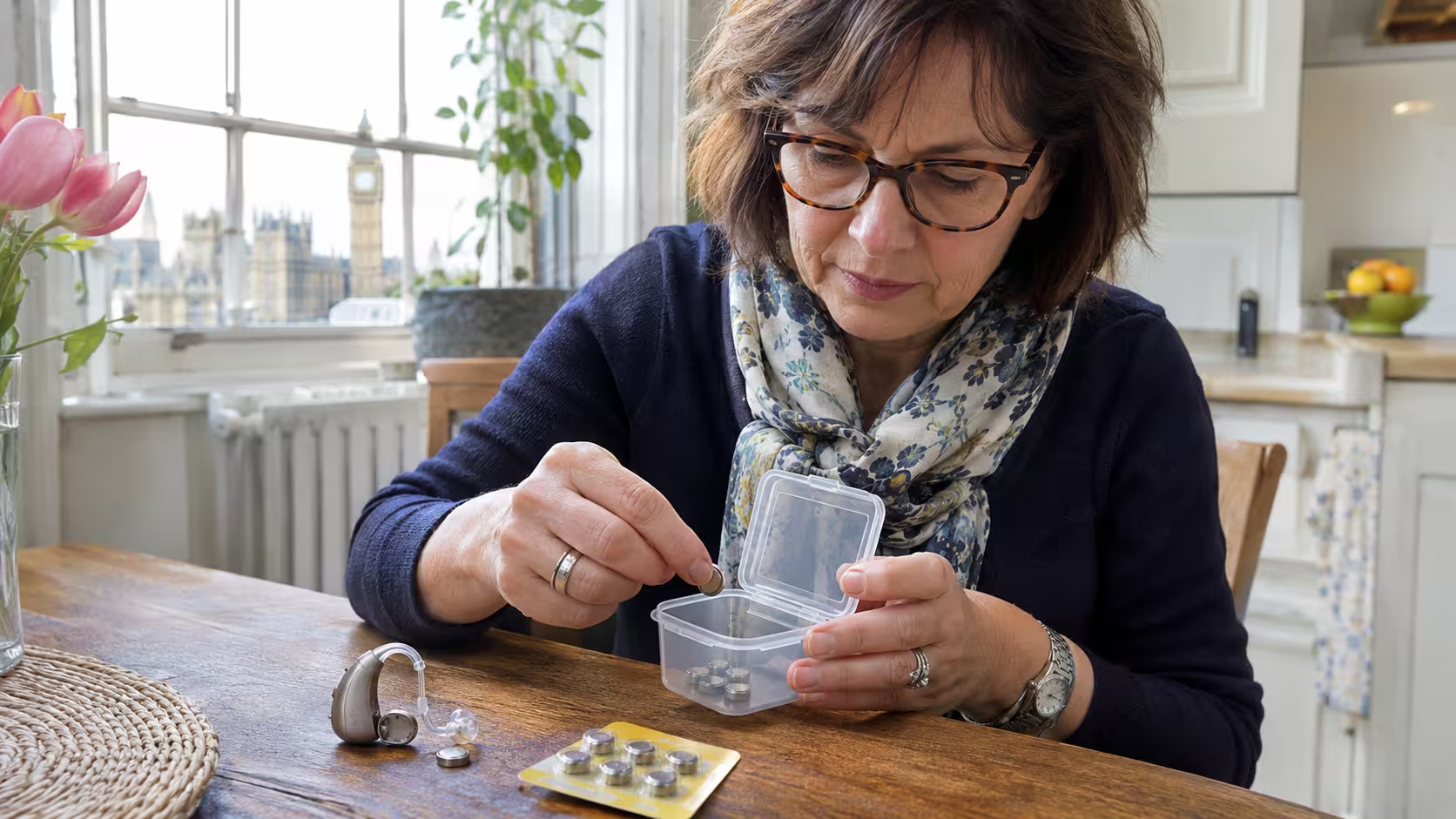
  • Store them securely: Keep batteries in a dry, non-metal container, away from children and pets.
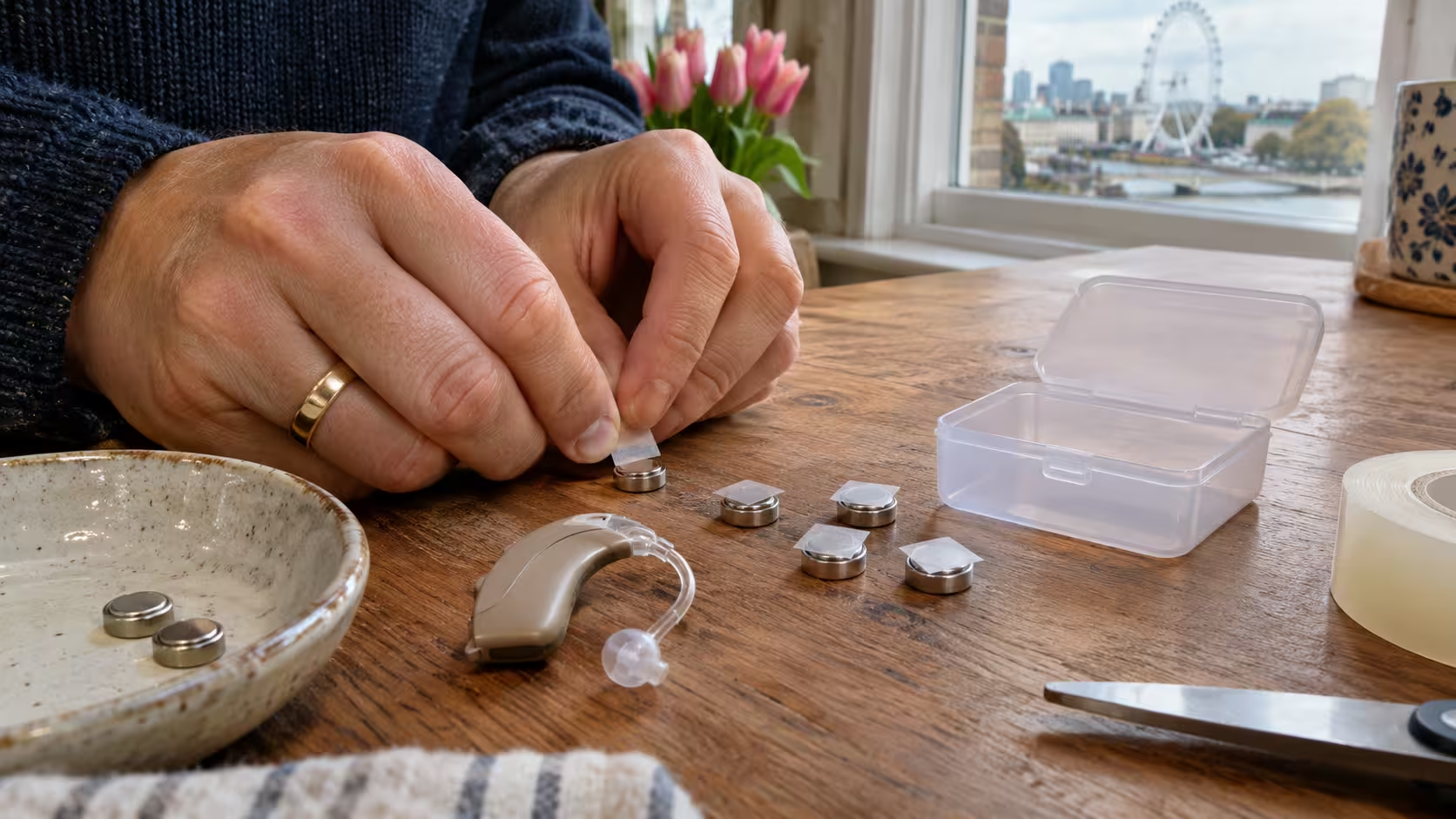
  • Protect battery terminals: Cover exposed lithium battery contacts with non-conductive tape to prevent short circuits.
  • Never crush batteries: Avoid puncturing, burning or dismantling used batteries.
  • Recycle regularly: Take accumulated batteries to an authorised collection point rather than keeping them indefinitely.

These simple practices complement wider efforts to reduce household waste and improve recycling safety.

What About Rechargeable Hearing Aids?

What About Rechargeable Hearing Aids

Rechargeable hearing aids often contain built-in batteries that users cannot safely remove.

If the battery is permanently installed, recycle the complete hearing aid as electrical waste rather than attempting to dismantle it.

Our information on electronic waste management explains why electrical devices need specialist recycling arrangements.

Working hearing aids may also be suitable for donation through approved organisations. When clearing unwanted household items, consider reuse before recycling.

Similar principles apply when disposing of old mobile phones and other battery-powered equipment.

For businesses, care homes and audiology practices, battery waste should be separated from ordinary commercial rubbish. During an office clearance, arrange a suitable specialist battery collection rather than mixing used cells with general waste.

At Express Waste Removals, we encourage London residents and businesses to adopt responsible waste management practices. Although general clearance services are available, used hearing aid batteries should be directed to appropriate battery recycling facilities.

The simplest solution is to collect used hearing aid batteries safely and drop them off at a participating supermarket, retailer or local recycling centre.